Author: adventureli

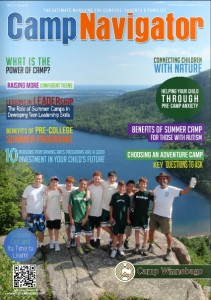
Camp Navigator has featured our Summer Camp Director Mark Diedering in their latest issue. Marks asks and answers the top questions you should ask when choosing an adventure camp. Check out the article here.
camp navigator, adventure camp, questions, mark diedering


Camp Navigator also phone interviewed Mark with some basic questions about Adventure Links’ Summer camp. You can hear the interview by clicking here. We are excited to not only offer summer camps to the DC Metro area, but to offer our experiences and advice for parents looking for the right summer option for their children.interview with mark
P1030692Have any other questions? Want more information about Adventure Links? Contact Mark at info@adventurelinks.net


 

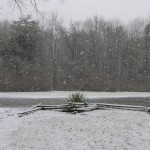
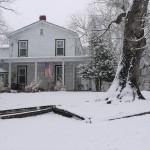
Here at Hemlock Overlook winters can be beautiful, they can also be long. While we have programming options that work most of the year, many of our programming options require warmer weather. Activities such as Rock Climbing, Caving, Kayaking, Sailing, Watershed Studies, and Ecology Lessons require warm weather, trees with leaves and unfrozen rivers. So we use the winter season to prepare for the epic three seasons of outdoor adventure, education, and fun. Take a look at some of the photos below to enjoy the beauty winter can bring, and check out our video of why we are ready for some Spring Adventures. What will your Spring Adventure be?

Wilderness First Responder, WFR

Adventure Links is proud to be hosting a Wilderness First Responder course this year. Among outdoor companies wilderness training courses are the norm. Companies typically outsource to various vendors who in turn provide an instructor. Average medical courses include: Wilderness First Aid (WFA), Wilderness First Responder (WFR), and some go as far as Wilderness EMT.

A WFA course is typically two days long and basically expands on basic first aid lessons with an outdoor backdrop. A WFR course is a bit heftier, averaging a week to ten days the course covers quite a bit and aims to have the participants be completely comfortable with wilderness aid. Participants tend to learn convenient techniques like creating a splint, but the wilderness side of it shows them how to do it with non-traditional materials, for example a splint might be made from a jacket, branches, and a shoelace. or an arm sling can be made from a shirt and extra tent cordage.

For most of the trips that Adventure Links runs a WFA certification is sufficient, as most groups are within an hours range to a hospital and rarely without cell service. But the comfort that some of our instructors feel with a WFR certification under their belt is unparalleled, so we made sure we could offer the course to our employees and anyone in the surrounding area looking to up their certification.