Author: adventureli

A Historic Hike Around Hemlock Overlook

One of the things I love most about working at Adventure Links previously at Hemlock Overlooking Regional Park is that I count all 400 acres as my backyard. When I’m not working in the office or facilitating programs, I often take to the trails to explore this gorgeous property. I wanted to be able to share with you some of the special places off the beaten path that are worth exploring with your family.

Park at the end of Yates Ford Road and walk past the yellow gates and into the Adventure Links parking lot area. Once the road turns to gravel you will see a small walking path off to your right heading parallel to the road. Take that and it will lead you on today’s adventure and many more. Troops marched along this path during the Civil War to the battle of Manassas/Bull Run. On the right side of the path, you can see trees that have grown around the old fence line.

Take the steep paved road down towards the pond. Walk either to your right along the wood boardwalk or take a left for a quicker but sometimes flooded path. You will reach large steps heading all the way up until you reach the farmhouse that Adventure Links uses as its office. The farmhouse has been around since the early 1900s and the owners of it built the first hydroelectric dam in Fairfax county which is located on our property along the blue trail and Bull Run river.

Just to the left of the farmhouse, you will see two gravestone markers. One is dated back to the Revolutionary War and marks the resting spot of Aaron Wickliffe. The memorial marker on the left is for the Wickliffe and Kincheloe burial sites that were destroyed when the Federal army camped in that exact spot. The Kincheloes have been a prominent family in this area for many years. You would have driven down or across Kincheloe road on your way to Hemlock Overlook Regional Park. The Kinchloes once owned all the land for miles around here. To this day the owner of Paradise Springs Winery is a Kincheloe.

Left of the gravestones you will see an ancient barn foundation from the late 1800s. Other foundations can be found in the area if you are up for further exploration.

Before heading back down the steps to the pond look to your right. You should see a break in the trees with a small trail. Follow that to one of my favorite spots on-site; Ye olde Beech tree. This has been a spiritual gathering place for many over the years. This beech tree is one of the oldest in this forest. It’s about 190 years old and based on the marks of decay won’t be around much longer. Look around you and imagine what this land would have looked like 150 years ago. Only this mighty beech and a few other trees stood. Everything else you see would be rolling hills used as pastureland.

Head back the way you entered. You will have seen just part of the beauty and history Hemlock Overlook has to offer.
The beginning of fall seemed to disappear as quickly as leaves on the trees. Between keeping track of paperwork, reluctantly dragging thermals out of storage, trying to remember what felt like hundreds of new names every day, and finding a spare minute to fill up water bottles, we were too busy to realize something simple. We hadn’t been taking the best care of ourselves or each other. A busy life certainly isn’t an unhappy life, but we were also finding it challenging to find a moment in the day to stop, breathe, and take that extra step to check in.
 

But one chilly weekend, our cabins were suddenly stuffed with sleeping bags, the lodge was radiant with laughter, and our staff couldn’t walk a few steps without passing a flurry of smiling faces. The participants of Capital Care Inc.’s Point of Hope Camp – a program designed to provide extensive care to children who have experiences familial loss – had arrived.


The energy brought a new vibrancy to Hemlock, but watching the interactions between ‘little’ campers and their ‘bigs’ made it even more obvious that we’d been neglecting even the simple, everyday moments that show care.


Whether it was a reminder to grab a water bottle or the gentlest push of encouragement that would transform the entire weekend, the campers’ experience was made all the more precious from a consistent, inspirational support network. The care was so natural, so organic that we didn’t even notice when we started mimicking some of the language. Asking “how have you been doing?” or “what can I do to help you?” wasn’t a logistical afterthought; it was a priority.


Even the most experienced instructor can forget the basics, no matter how many times we’ll impress them upon our groups. As often as we throw our passion and energy into enhancing the campers’ experience, we sometimes forget to seek out moments for ourselves and one another beyond checking in for a minute at mealtimes. But the transformative effect from watching our core values play out in front of us couldn’t be ignored. We slowed down, we started asking more questions, revitalized our friendships and soon enough pairs of instructors were laughing alongside a big and their little. Program participants usually aren’t the only ones who benefit from our experiences here, but our moments with Capital Care couldn’t have come at a better time. As the weekend rolled to a close, we all felt a little stronger and a little more valued. Just a little extra cares goes a long, long way.


April 16–24: Visit for free!

Throughout National Park Week in 2016, every national park will give you free admission


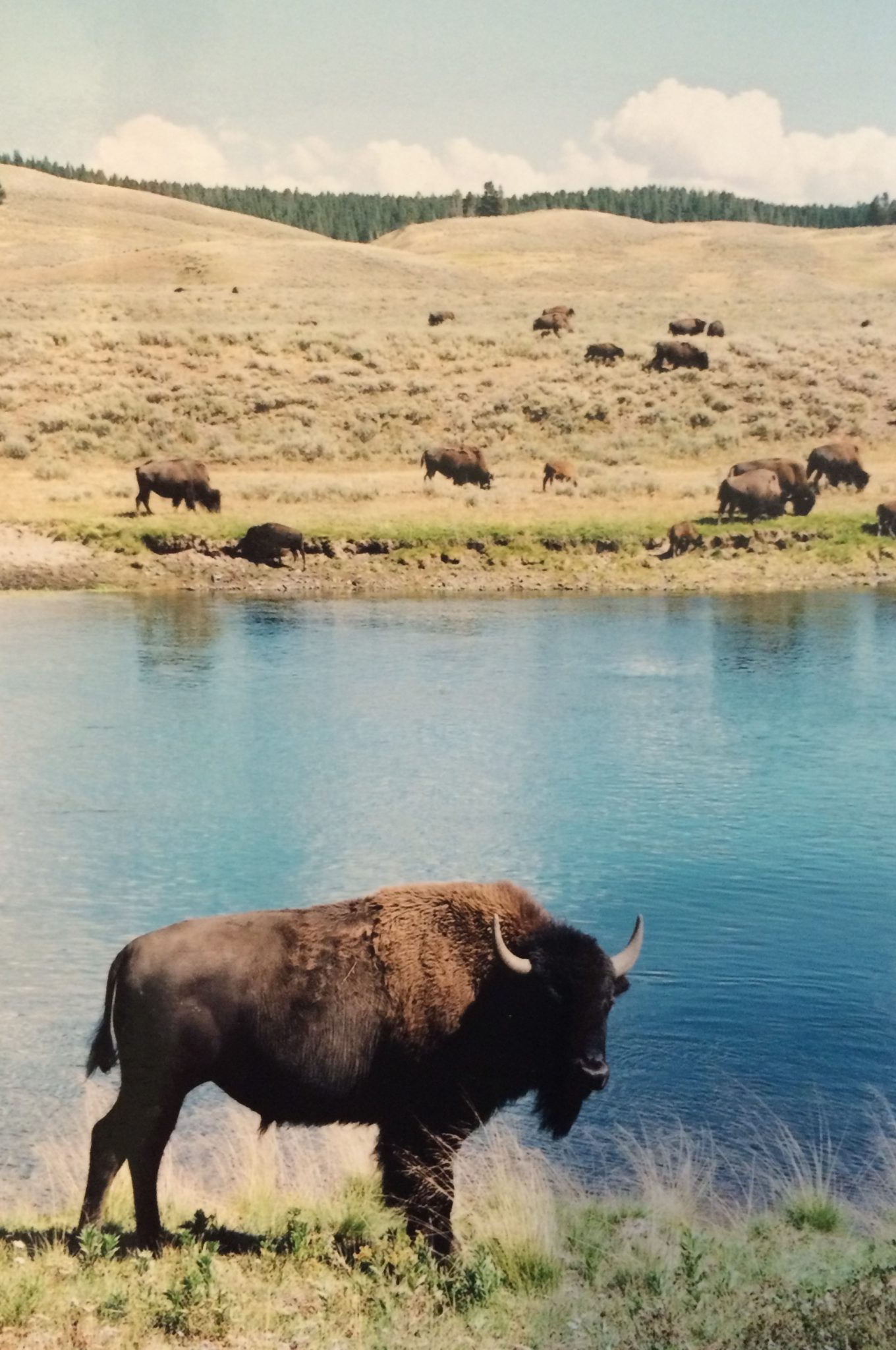
At last count I have visited 23 of the U.S. National Parks which may sound like a lot, but when you realize that there are currently 58 total, I’m not even half way there! Life goals should be big though, right? So that’s mine, visit all the National Parks during my lifetime.

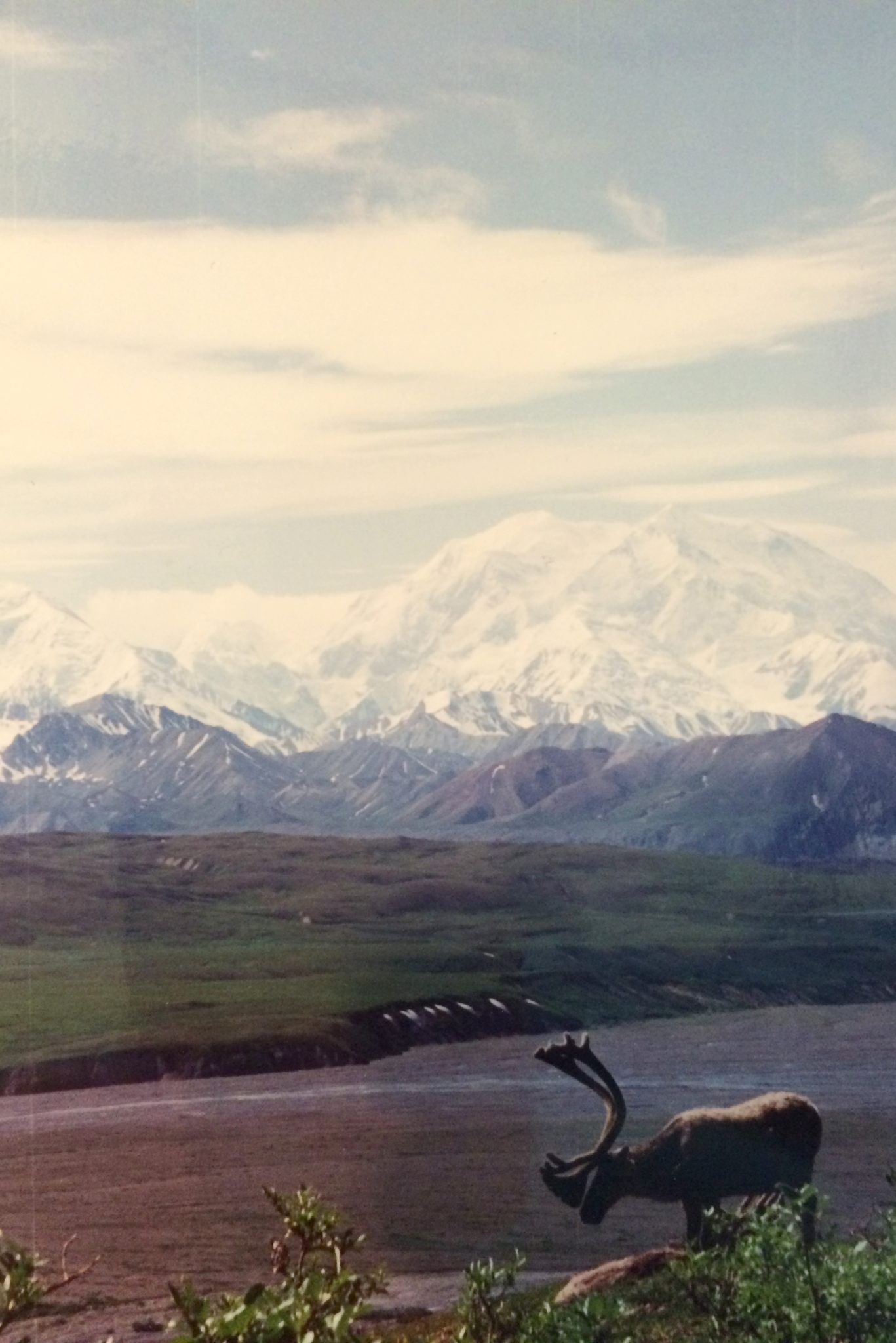
Denali
Denali

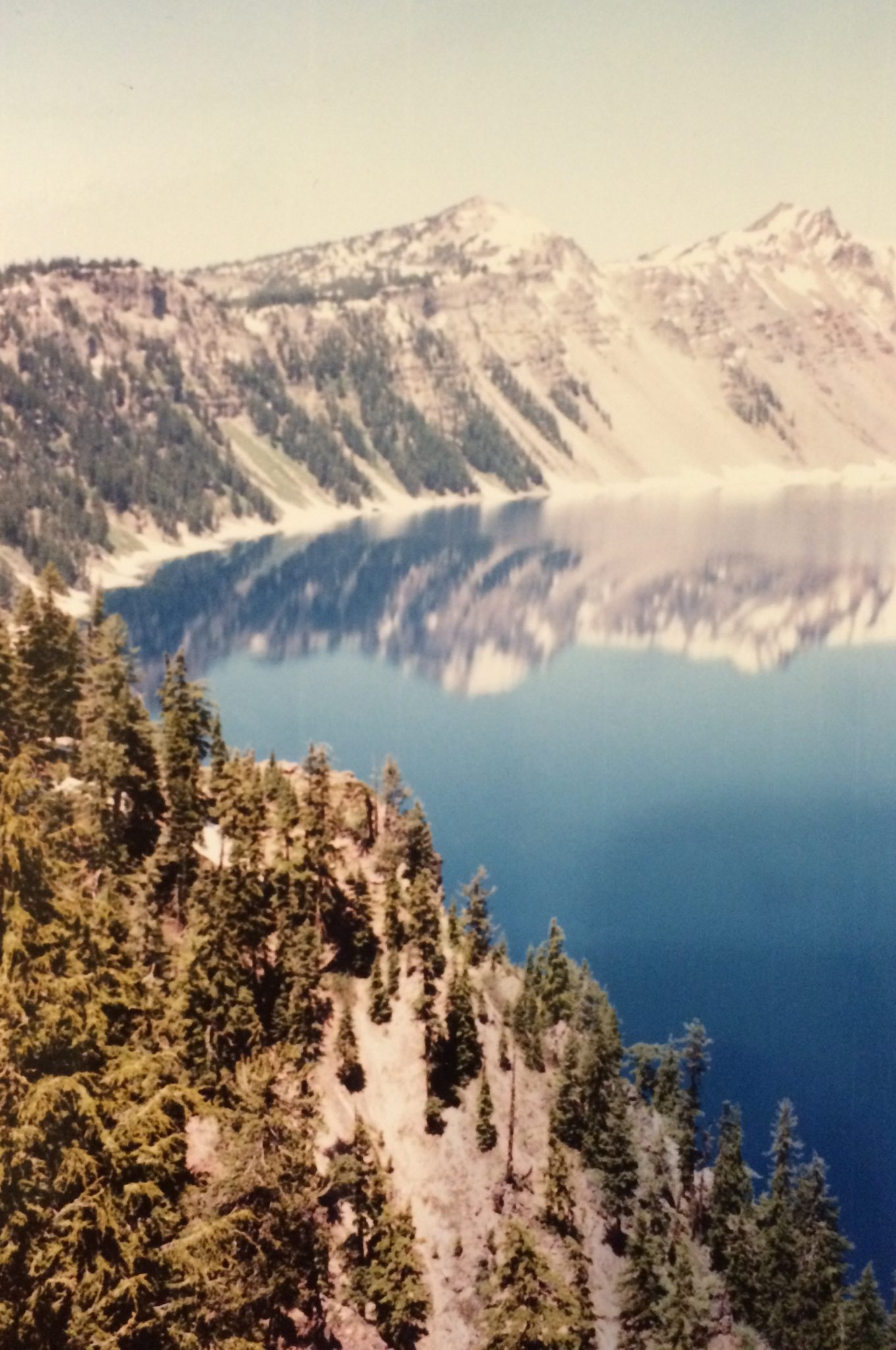
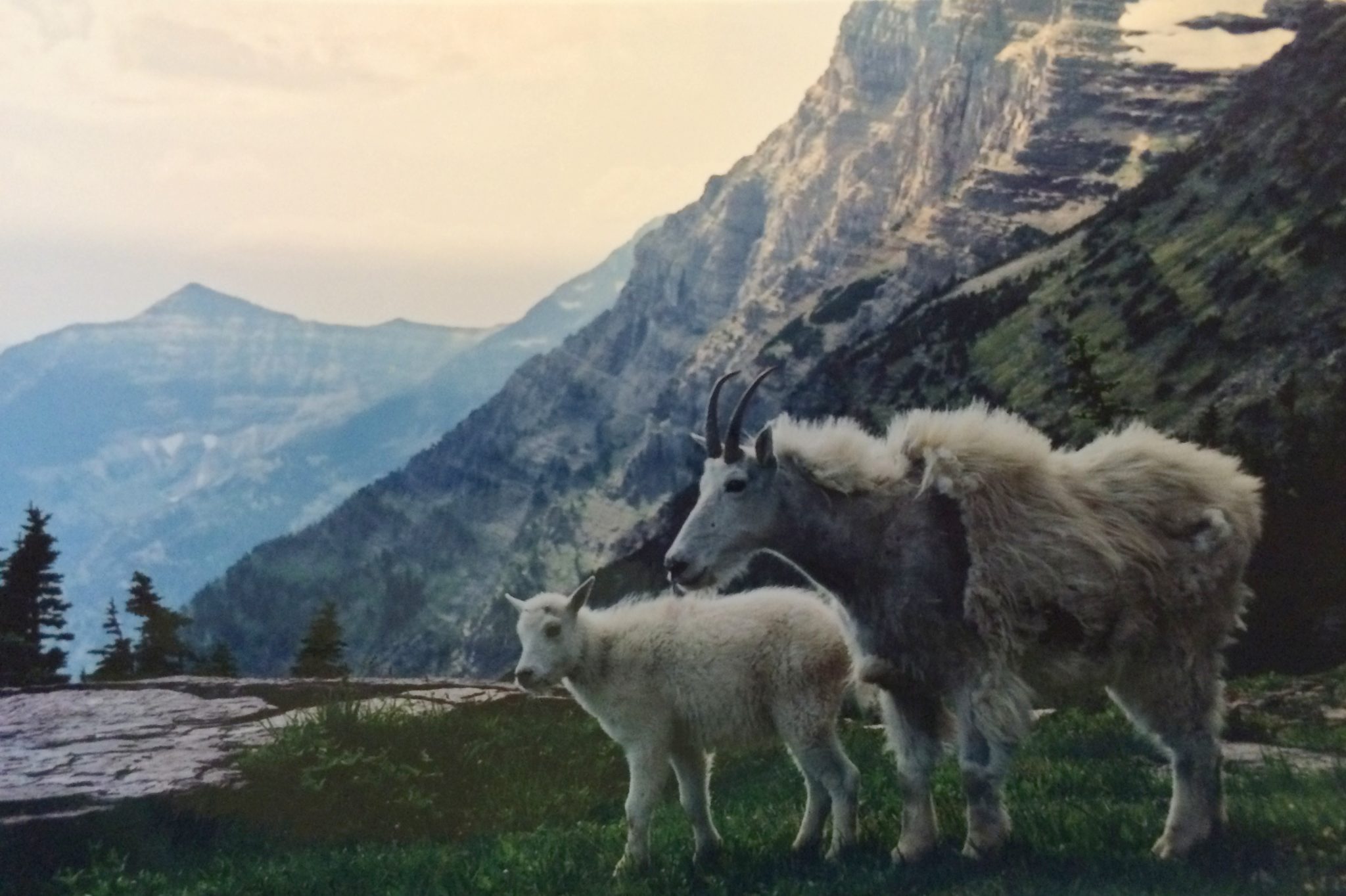
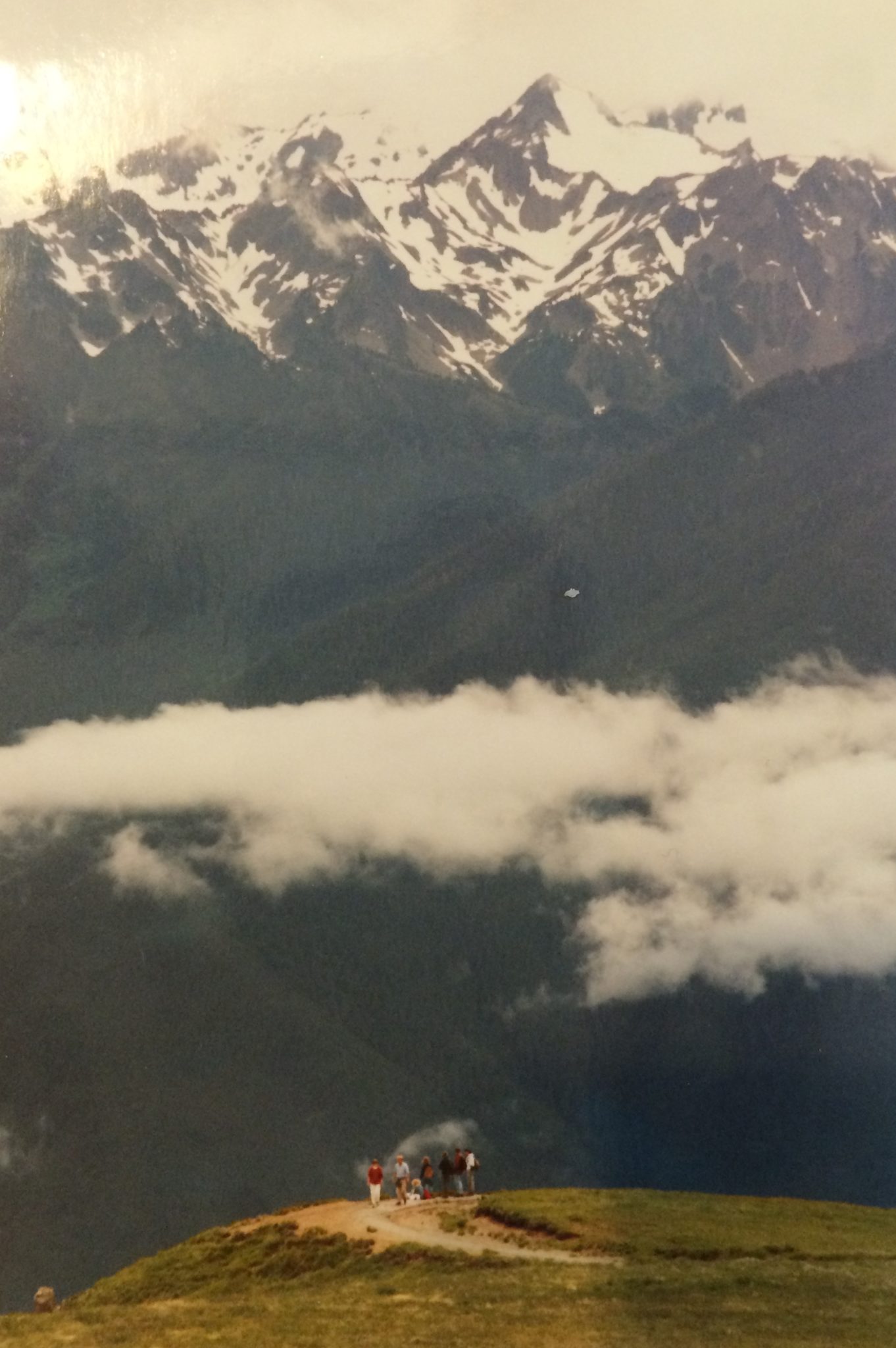
My love for the parks started when I was in high school and was accepted to take a summer science class that traveled from Ohio to the Pacific Northwest and back again stopping at National Parks along the way. We stopped spent time at Theodore Roosevelt NP, Glacier NP, Mt. Rainer NP, Olympic NP and Crater Lake NP, it was a whirlwind! Those three weeks were a very impactful experience for me in my teen years, not only because I was so far from home, but there was so much to see and learn about our natural world and why protecting it all is so important. We did a lot of hiking and guided tours with the park rangers and we also learned the basics of camping and outdoor cooking (which turned out to be a very important skill set that I have needed in my chosen profession.) The next summer I was lucky enough to do it all again but this time in Alaska!

Grand Tetons 2009
Grand Tetons 2009

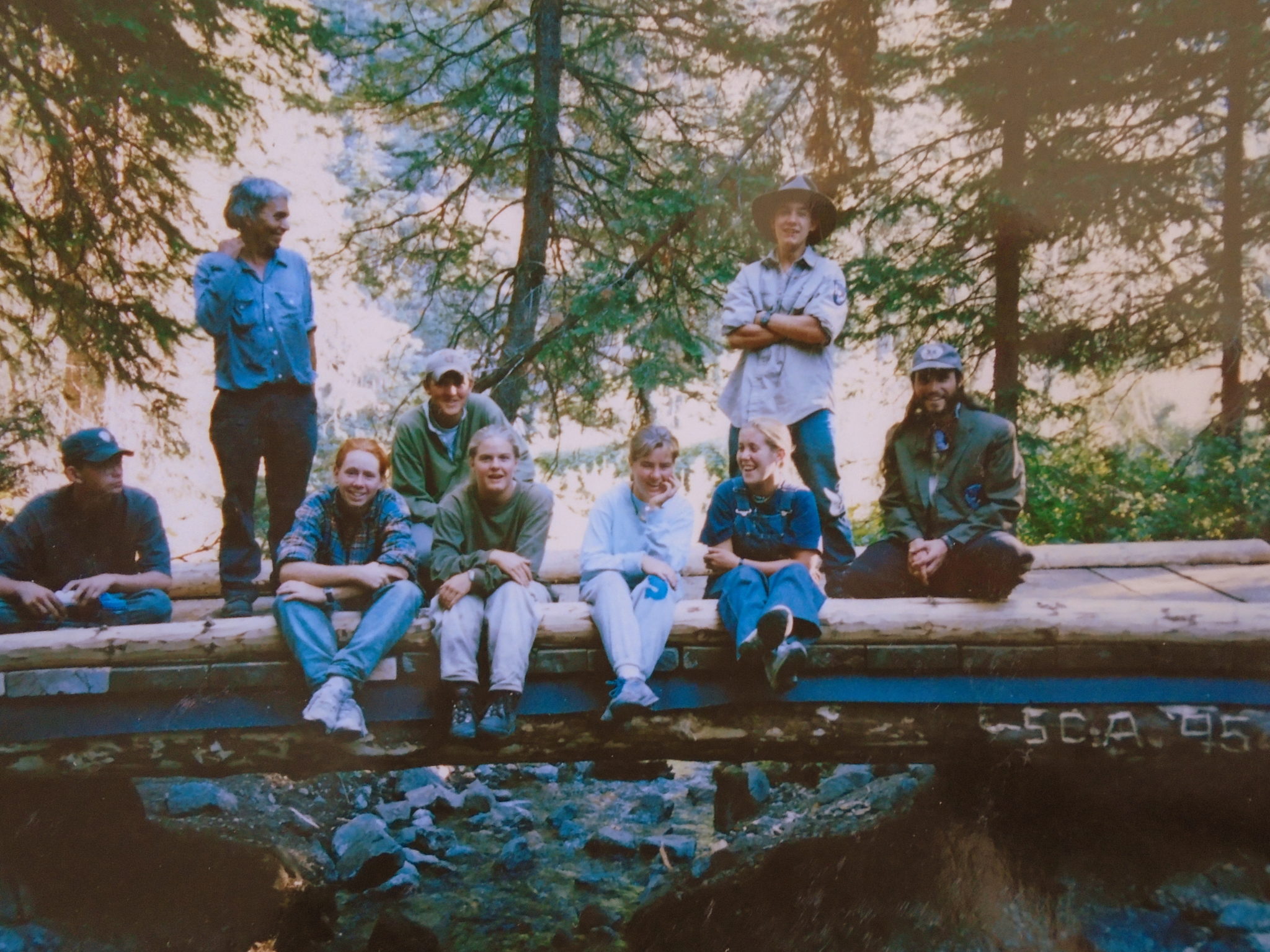
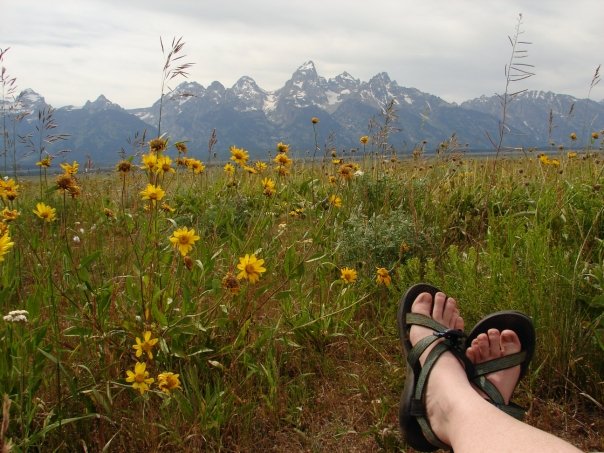
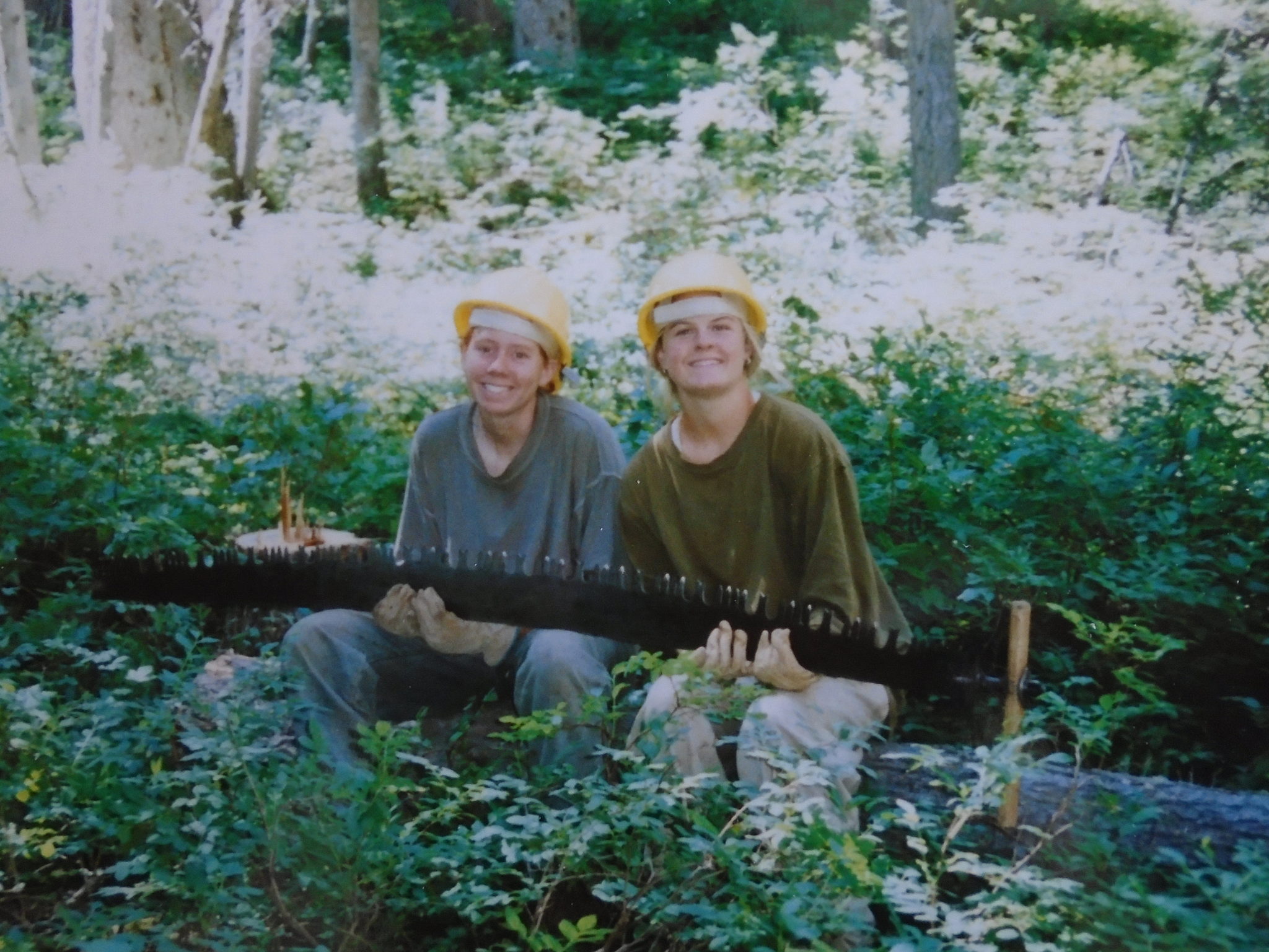
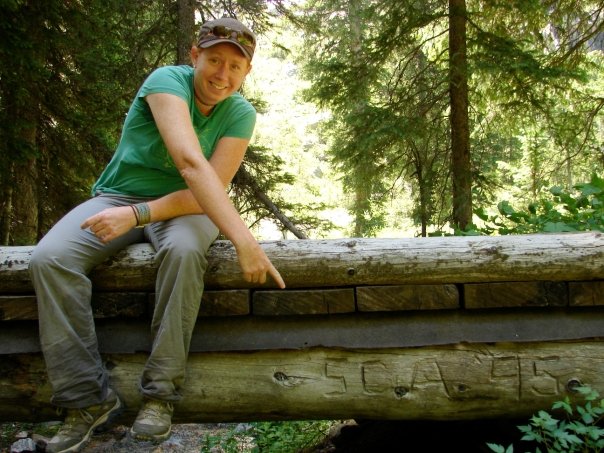
The summer after I graduated from high school, I hopped on a plane to Wyoming where I became a member of a trail crew in Grand Tetons NP. Our team of six high schoolers and two adult team leaders were stationed in Death Valley, contradictory to what it’s name may lead you to think of it, the valley was beautiful and full of life. There was a glacier fed stream that ran through and the occasional moose who would stop by for dinner from time to time. We worked hard maintaining the trails, fixing the roofing on a cabin and replacing a 3-stringer bridge, but we also got time to pack a lunch and explore our surroundings. The freedom and trust that I was given by my leaders to make good choices was somewhat new and awesome! I climbed up under a small glacier, got caught between a mother moose and her baby, battled my way up a skree field and chased a pack of young weasels down the trail. We learned how to take care of ourselves in the backcountry including the frequent need for wilderness first aid skills. It shouldn’t be that surprising, we were a bunch of teens wielding axes, saws and pribars, of course we all managed our fair share of blood loss and bruises that summer. Looking back, my summer as a trail crew member was really the perfect lesson in taking responsibility for my needs and other that helped to prepare me for college life.
Zion
Zion

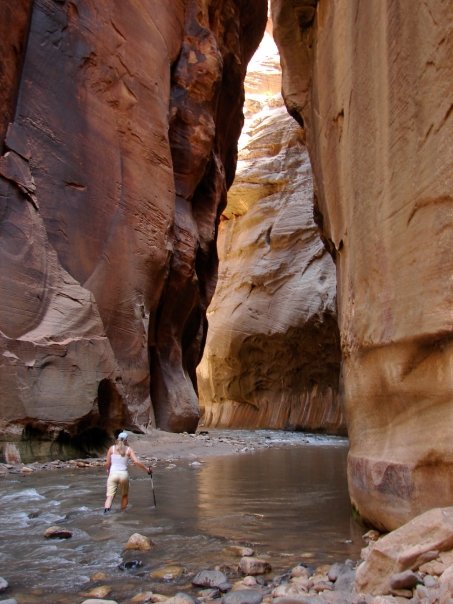
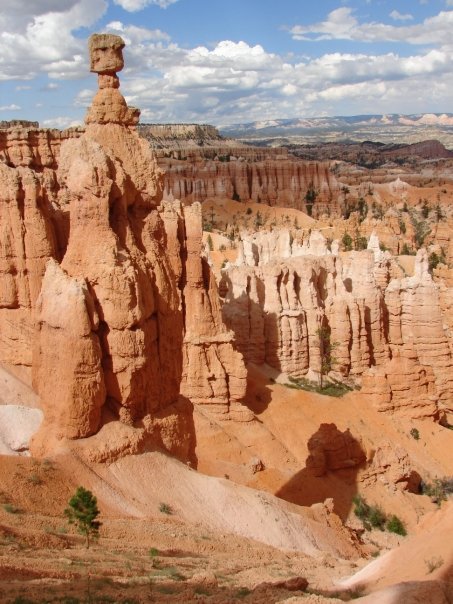
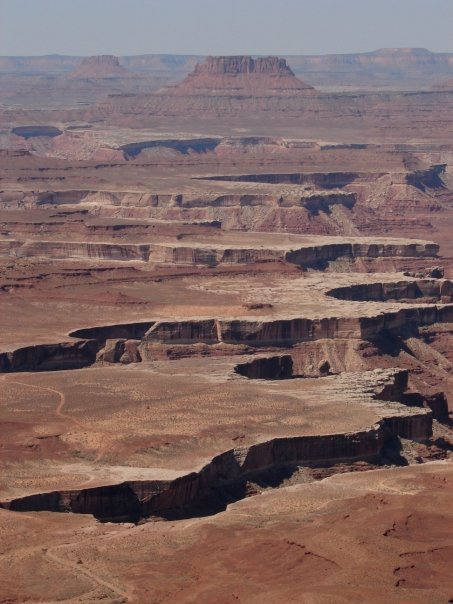
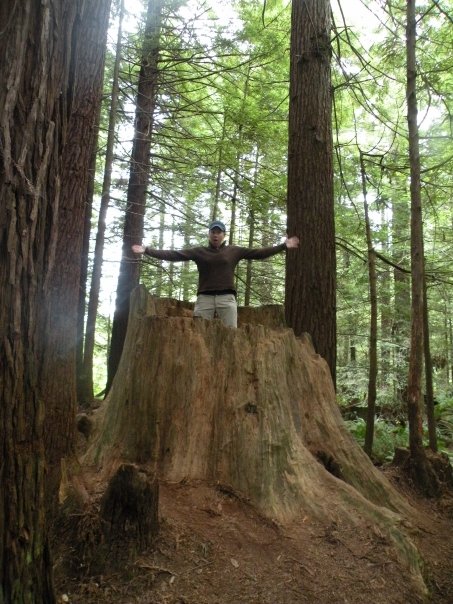
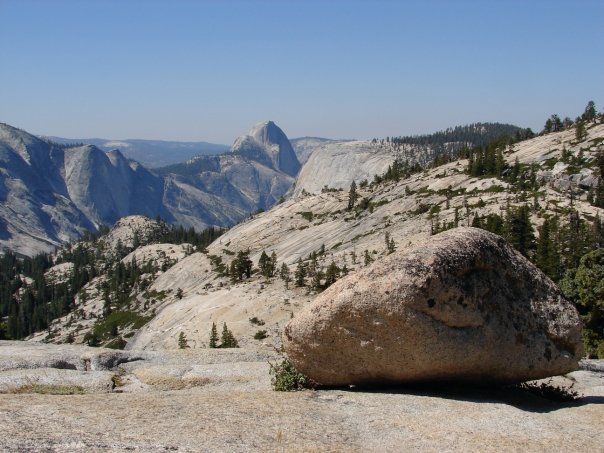
In 2009, I packed my car and started driving west. A little out of character for me, I didn’t have much of a plan, just a National Geographic road atlas themed around the national parks. Some big changes were happening for me both personally and professionally and the best way I could think to work through that was to go see some new parks. I focused mainly on the southwest including Canyonlands NP, Arches NP, Zion NP and Bryce NP. I was also able to collect a few California parks, Yosemite NP and Redwoods NP. And on a total whim, I went back to the Grand Tetons to revisit good old Death Valley. Again the sites, sounds, smells and interactions that I had over those two months transformed me so much that when I returned to “real life” I felt stronger, more confident and ready for the new challenges ahead.


I went to college with the intention of becoming a park ranger, but it didn’t work out that way. Instead I found Hemlock Overlook Regional Park. Now I know it’s not a “National” park, but I very much care for this land and the history here and I know I am not the only one. One of our core values is “celebrate place, tradition and memories”, to me that has so much to do this beautiful chunk of eastern forest and the river that runs alongside of it. These protected spaces have positive effects on countless of lives every year, especially mine.


rachel doodyRachel Doody | National Park Explorer

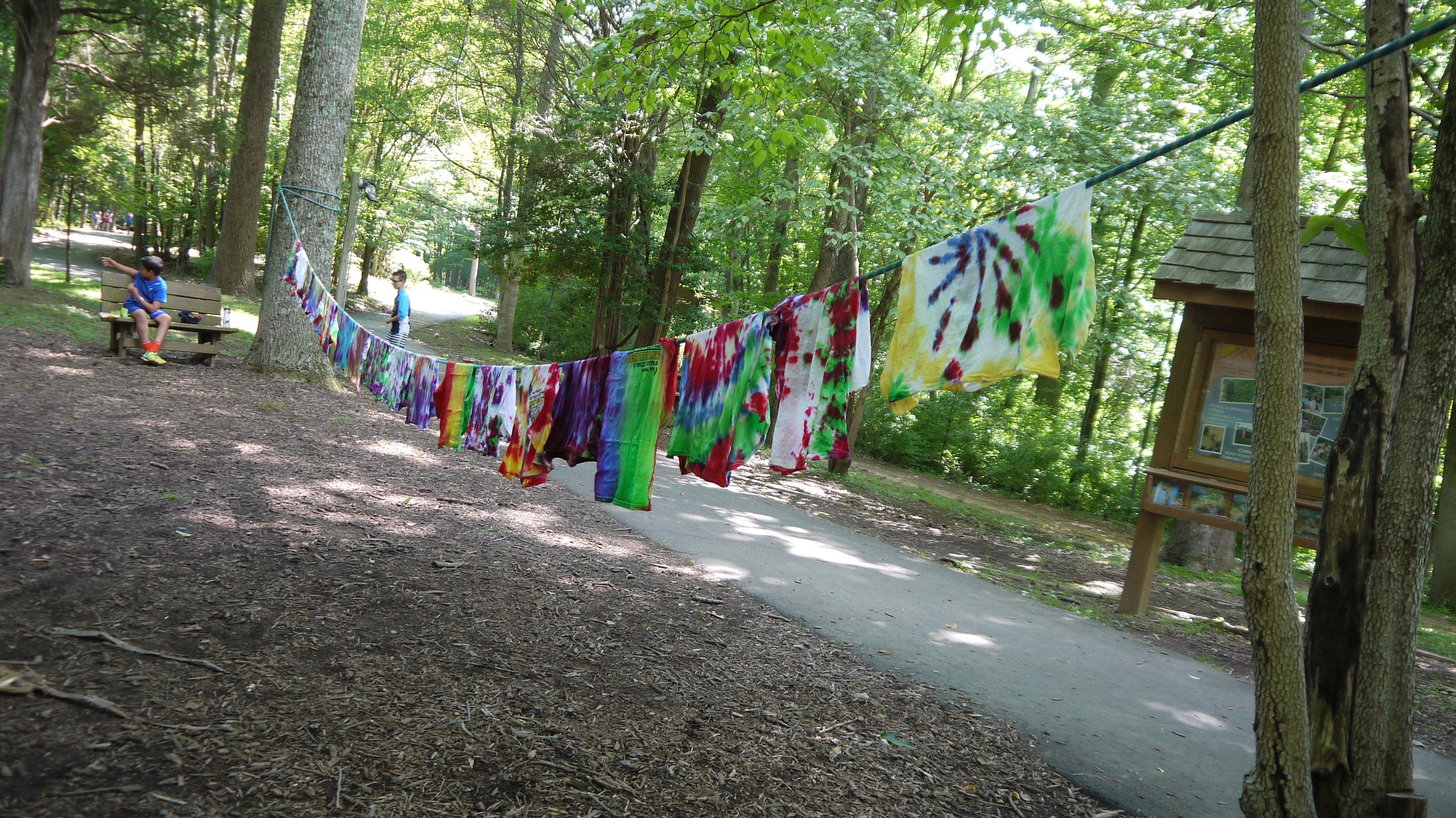
residential camp tie dye shirts

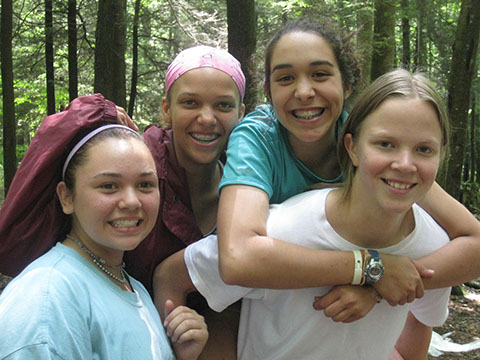
A few days ago, while interviewing two of our “perpetual” residential campers for a camp video, I heard something that caught me by surprise. When asked what their favorite part about residential camp was, both girls answered simultaneously, “Talking to the other girls at the end of the night.” In a camp where a typical day consists of crawling around a cave 50 feet underground or tip-toeing up a rock climbing route 50 feet above the ground, their favorite part was building relationships with their fellow campers.


Almost every week of residential camp begins the same way. Campers are dropped off, signed in and then thrust into a new-ish world with at least 20 smiling-yet-apprehensive faces they have never seen before. From the time that their parents leave all the way until their parents arrive at the end of the week, campers have each other and their instructors. We do not have a hidden cave of televisions and video games in the middle of the woods or WiFi accessible to our campers.

We do not have a hidden cave of televisions and video games in the middle of the woods


All of our campers sign up for Adventure Links camp for the same reason, the activities. There is no doubt that spending your day kayaking or rock climbing is more fun than a day doing math problems. What campers don’t realize until they leave is that the one piece of Adventure Links that will stay with them forever is the community. By attending residential camp, campers have the opportunity to do all of those cool activities listed in our brochure, but they also have the opportunity to share these experiences with each other. Campers sing together next to the campfire, dine together in the lodge, paddle together at the river, sleep together in the bunks, challenge themselves together and, by the end of the week, transform themselves together.ao1

What campers don’t realize until they leave is that the one piece of Adventure Links that will stay with them forever is the community.


By the end of each week of residential camp, those smiling-yet-apprehensive faces are all familiar and just smiling, without apprehension. Some campers are usually sad to say goodbye to their new friends and bunkhouses, but the majority have already come up with ways to stay in touch and made plans for residential camp next year.


The community that has begun to form around our residential camps is caused by the campfire songs, the post-lights-out conversations, the daily challenges, and most importantly, the shared experiences. The relationships that are developed at camp are one-of a-kind. Each year it is our goal to provide an environment that creates those relationships organically.


eric newmanEric Newman | Program Coordinator

Day Camps


In a time where recesses are being cut short, technology is ever-present in our children’s eyes, and coding is the newest language being taught in school; we are advocating for more time outside! The best way to give your children that time outside is Summer Camp!


For the past 19 years, Adventure Links has been providing the summer camp experience for youth in Northern Virginia. We offer a variety of camps for rising 2nd through 12th graders. Our ultimate goal is to provide an experience that is meaningful for our campers each year they come back. 


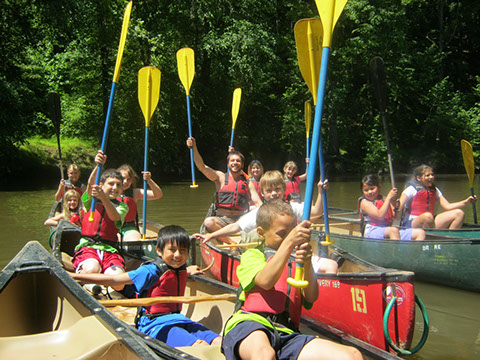
Let’s talk Day Camps. Currently, we offer four different day camps for participants from 2nd through 8th grades: Hemlock (rising 2nd-3rd grades), Classic (rising 3rd-5th grades), Ultimate (rising 6th-7th grades) and Summit (rising 7th-8th grades). Each of Our Camps has their own variety, but are all focused around adventure sports and getting a little dirty. Our range of activities include: rock climbing, zip lining, caving, sailing, mountain biking, kayaking, canoeing, and the list goes on.


Quick Facts: Day Camps

  • We offer convenient pick-up/drop-off locations throughout the summer in Arlington, Vienna, Ashburn, Centreville, Manassas, Gainesville, Chantilly, Springfield, and Herndon.
  • We pick up campers at 8AM from the location and drop off at the same location at 5PM.
  • We maintain a maximum ratio of 13:2 (or 6.5:1) with all of Our Camps.
  • Each instructor must keep a minimum of Basic First Aid/CPR, but most go a step further and have a minimum of Wilderness First Aid.

img_0922

Why Adventure Links Day Camps?


My first answer is fun! There are factors that come to mind when thinking of fun at Adventure Links. The first factor is our Instructors. While each Instructor usually has their own favorite adventure sport (some have many), we all share a passion for youth development. The second factor is programming. We offer exciting experiences for all different ages and abilities. Each day our Instructors tailor the activity to the experience level and comfortability of each group to ensure a positive experience.


The second reason is community. Summer camp in general provides an unparalleled opportunity for kids to interact with people they have never before met. The first day of Our Camps is geared towards familiarizing campers with each other, their Instructors, the expectations, and challenges of the week. Throughout the week, campers form new bonds, collaborate with new people, and participate in challenging activities alongside their new friends.


The final reason Our Camps provide a meaningful experience for our campers is personal growth. From the perspective of the individual, the challenges that our campers are faced with allow them to step out of their comfort zones. Everything from meeting new campers to climbing a 40’ cliff can be a learning experience. At the end of each activity, Instructors encourage reflection that helps each camper take something unique away from the activity.


Whether the reason for looking at summer camp is to keep your child engaged throughout the summer, to introduce them to new adventure sports and people, or to catalyze personal growth, we are confident that a week spent at Adventure Links will have an impact on their life. Day camp is the beginning of a meaningful journey that we, at Adventure Links, enjoy creating and following along with.

dsc01788


ryan daleRyan Dale | Summer Camp Director

I have the kind of mother who loves to cut little articles out of the newspaper about things to do, places to see and her favorite, places to eat in Washington DC and then give them to me. The most valued one of these little bits of paper she has clipped for me was the one about 14 years ago that introduced me to something called “Letterboxing”.

[spacer height=”20px”]

Top 3 things I love about letterboxing:

1) It’s Inclusive: I have taken friends and family of a variety of skill and interest, including my lovely mother who likes to whine on the up hills, but still loves finding the boxes. Hiding places are also not limited to the woods, I have found boxes in all sorts of urban spaces including libraries, national monuments, cemeteries, shops, and a few bars.

2) Art + Adventure: Letterboxing is a combination of designing and carving beautiful intricate stamps along with little scavenger hunts that may need to be decoded and you will most likely get lost on a few times.

3) It’s FREE!: Other than the stamp, inkpad and logbook the little adventures are completely free. It seems so rare these days to find a fun hobby that really only requires the gas money to get there.

[spacer height=”20px”]

A wee bit of history:

The Washington Post had done a piece on this hobby that had started in Dartmoor, England in 1854 by a Victorian guide named James Perrott who hid a bottle with his calling card in it along the banks of the Cranmere Pool. He encouraged visitors to try to find it and then leave their own calling card in the bottle. Soon the bottle was switched out for a tin box and those who found it left a self-addressed postcard for the next person to visit the letterbox to mail it back to them.

For more information on the history of Letterboxing: http://www.atlasquest.com/about/history/

Today, what you will more commonly find in a letterbox is a rubber stamp, often which has been hand carved to follow the theme of a story or the location it is hidden. When you find a box you take the stamp from the box and use it to mark your personal logbook, then mark the box’s logbook with your personal stamp. Much like those who frequently hike the Appalachian Trail, Letterboxers create a new name for themselves and use it in the design of their personal stamp.

 [spacer height=”20px”]

Getting Started:

lettebox1

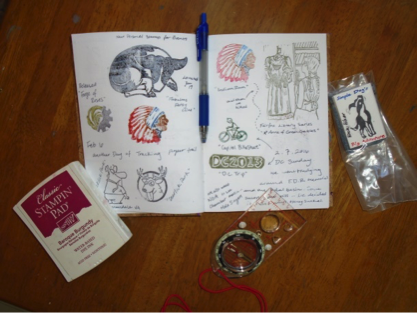
Here are some of the important pieces of equipment that I bring along while “boxing”: our notebook with all of the stamps of boxes that we have found, a compass for when a clue uses directional degrees to lead you to the box, and a hitchhiker (a stamp and notebook that doesn’t have a permanent home, but instead travels from box to box as it is found and dropped off by letterboxers).

Once you have your equipment ready, you can visit one of two websites to find clues for boxes in your neck of the woods. The first site in the US was Letterboxing North America (http://www.letterboxing.org), which has recently gotten an upgrade and is much more user friendly. As the popularity of the hobby grew, a second website has been created Atlas Quest (http://www.atlasquest.com) which is what I use more mainly because I find that it is easier to sort and find what you want. As you start to become as obsessed with this as I am, you will need to create an account so you can track your finds, chat with other “boxers” and complain to the “planter” when you checked every tree where they said to and there was no box!

 [spacer height=”20px”]

Advice to the newbies:

  • Bring a snack and some water, some of these boxes can be much further distance and difficulty than they sounded.
  • Be ready to poke around in deep dark dirty holes looking for a Tupperware box. You will not remain clean when boxing.
  • Work the clues backwards if you get stuck. Sometimes there is a better landmark further in the clues that you can use to track where you are.
  • Nature changes all the time! Live trees fall over and die, dead trees rot away and wind and water often change the landscape.
  • Plan out a few boxes for the day, that way if you are not able to find one you wont feel to let down because there is sure to be another one somewhere close by. This is why I love the here search button on the Atlas Quest Location-Based Search, it’s amazing how many boxes are in the same location.


letterbox2

This is one of the boxes hidden here at Hemlock Overlook next to its hiding location. We took a dorky hobby and dorked it out further by making a Doctor Who themed series of 4 boxes. I’m proud of my dorkdum.


rachel doody-Rachel Doody | Letterboxer Extraordinaire

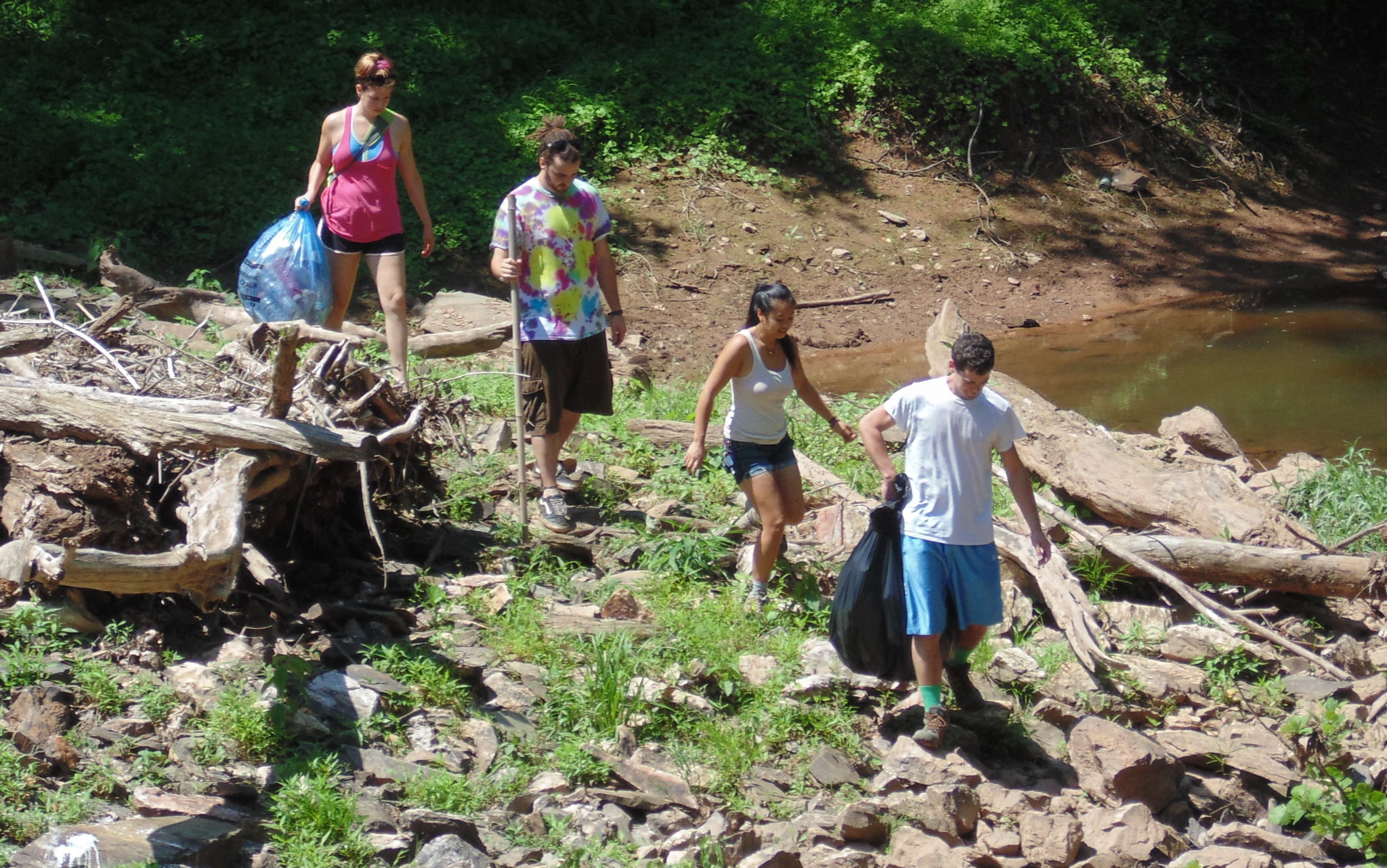
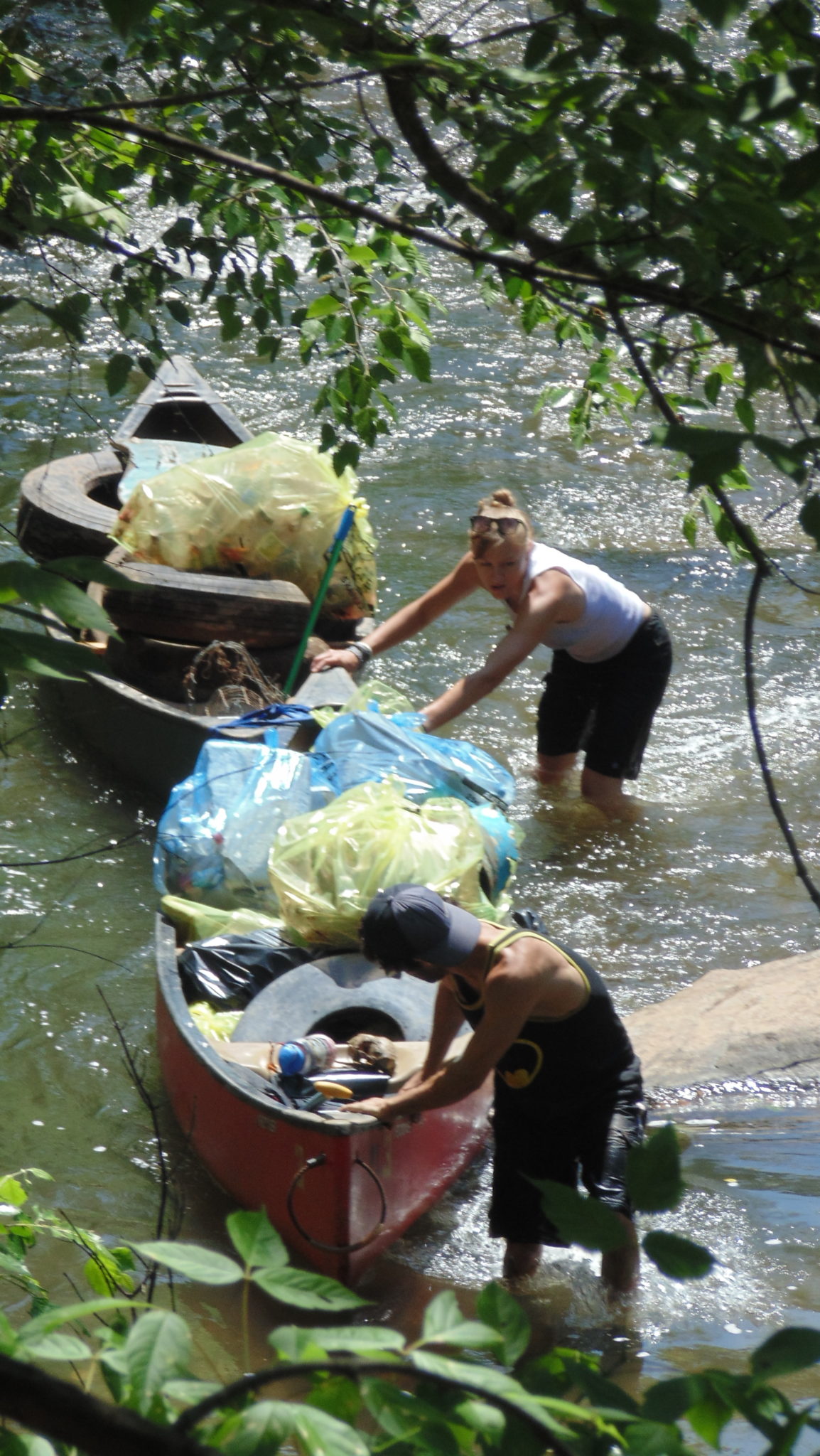
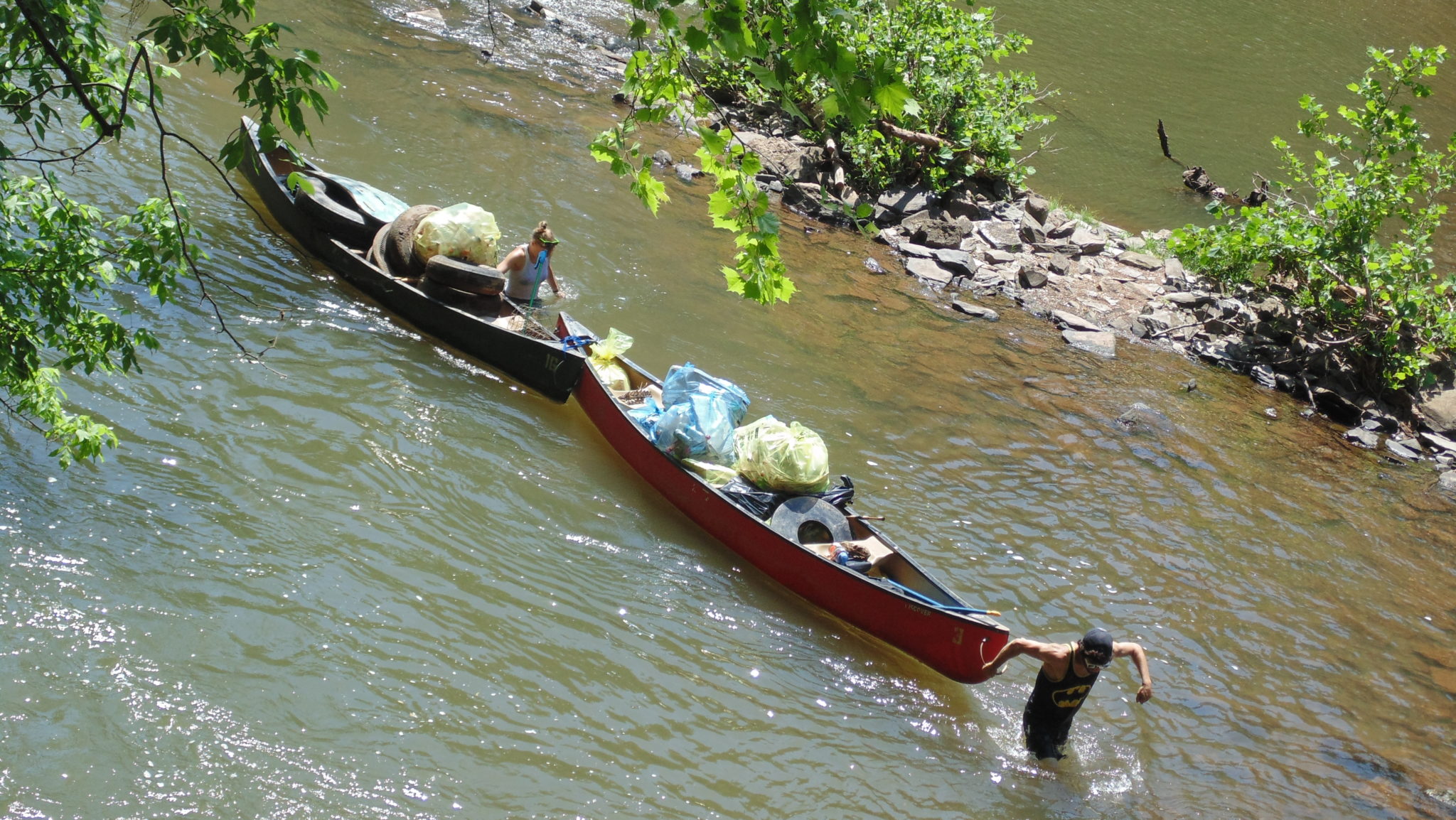
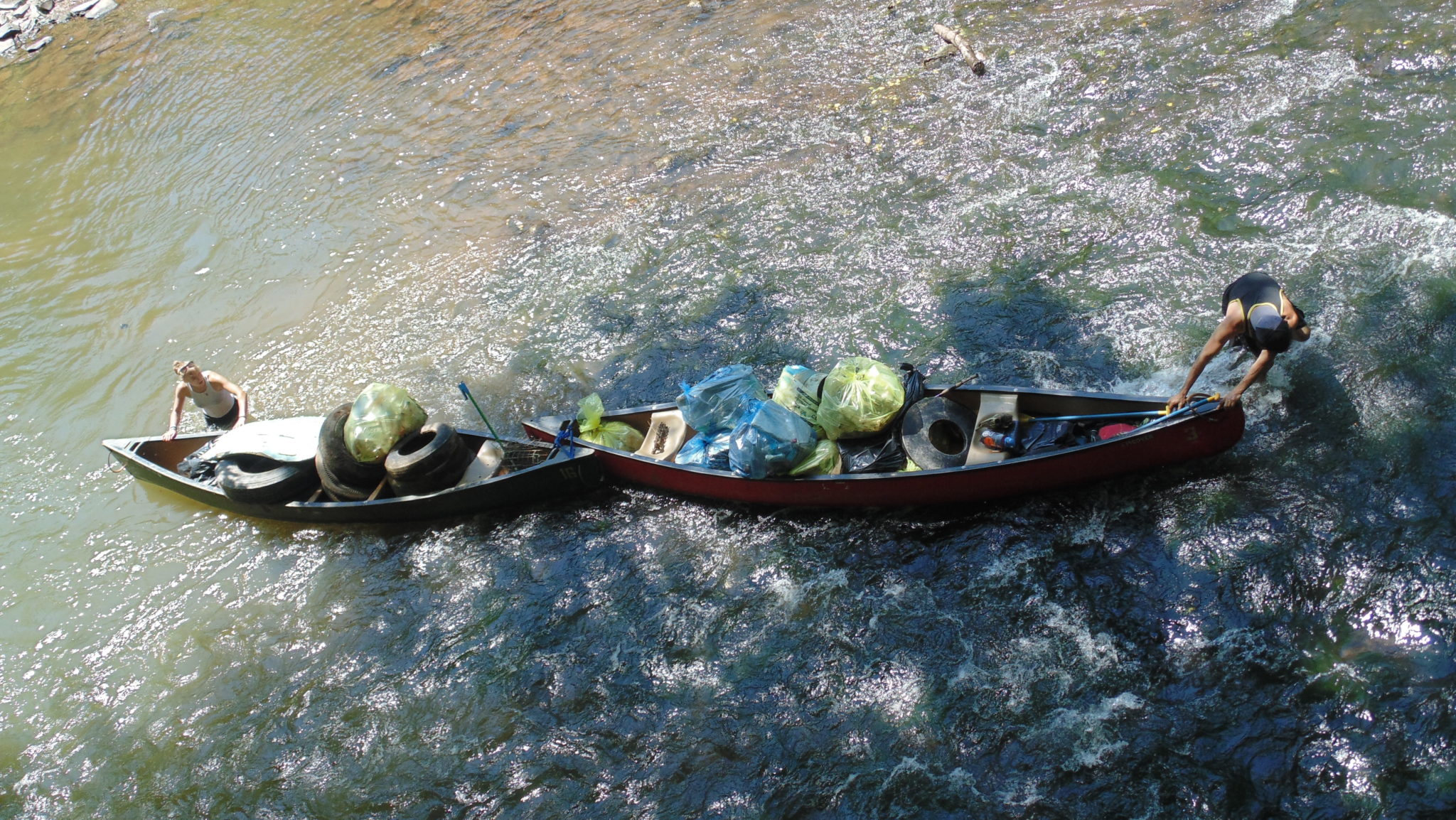
Ryan and Eric Cleaning Bull Run

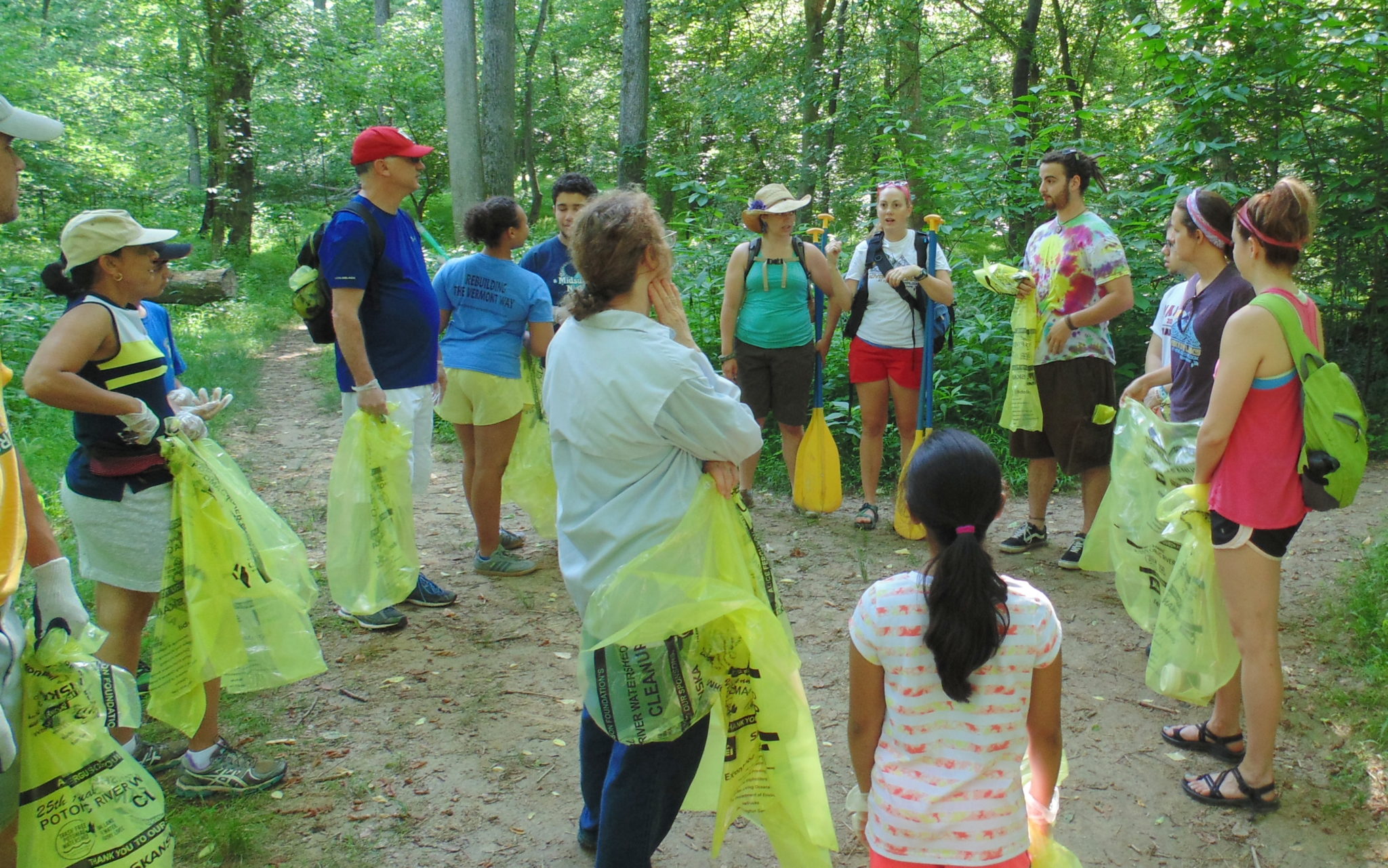
We get busy sometimes, busy planning summer camps, busy planning team building programs, busy training our staff, busy getting our fleet ready for camp… The point is sometimes the things we care about get pushed to the back burner. While our daily goal is to get people outside and to interact with the environment our direct environmental stewardship often gets pushed to another day.

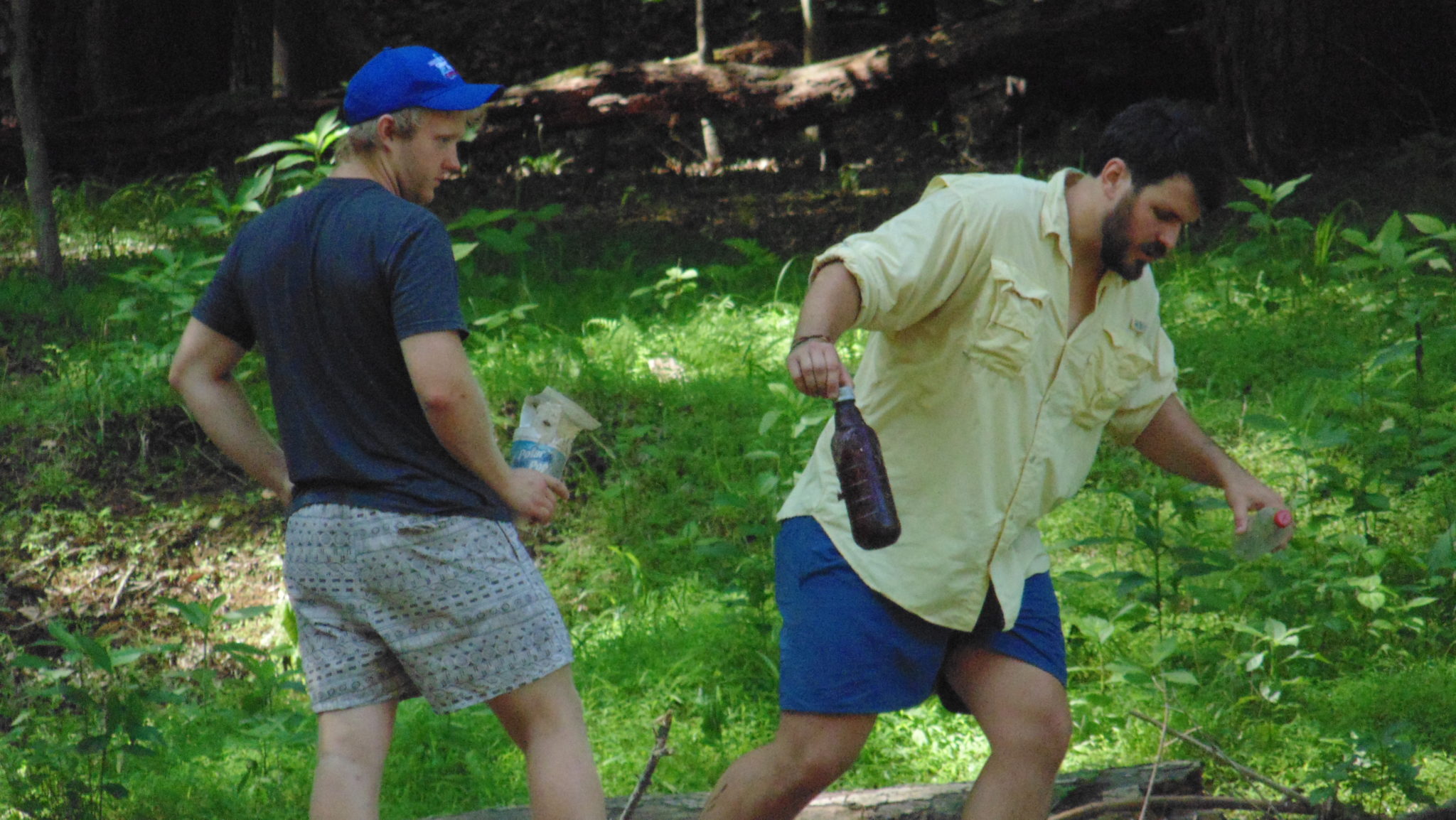
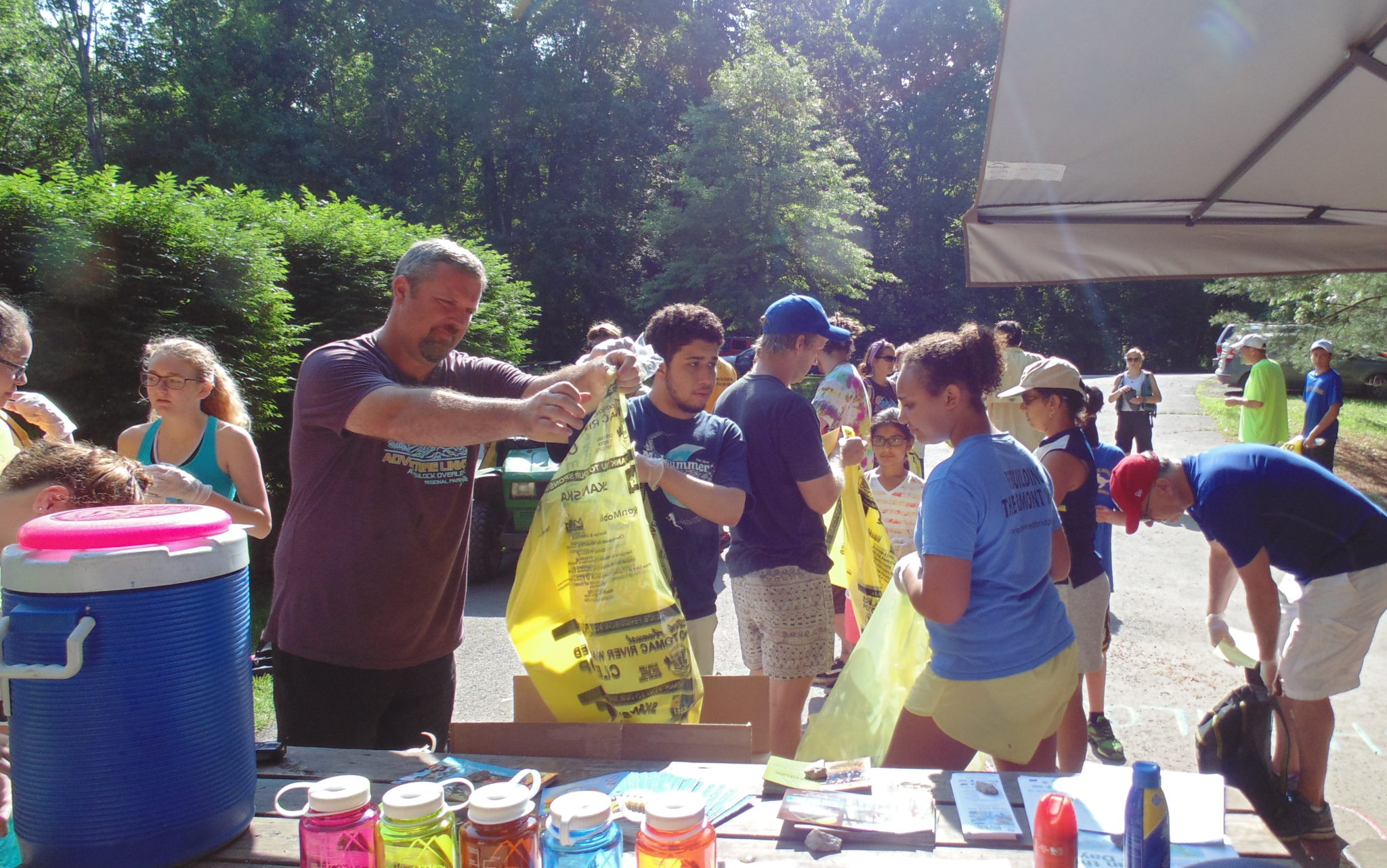
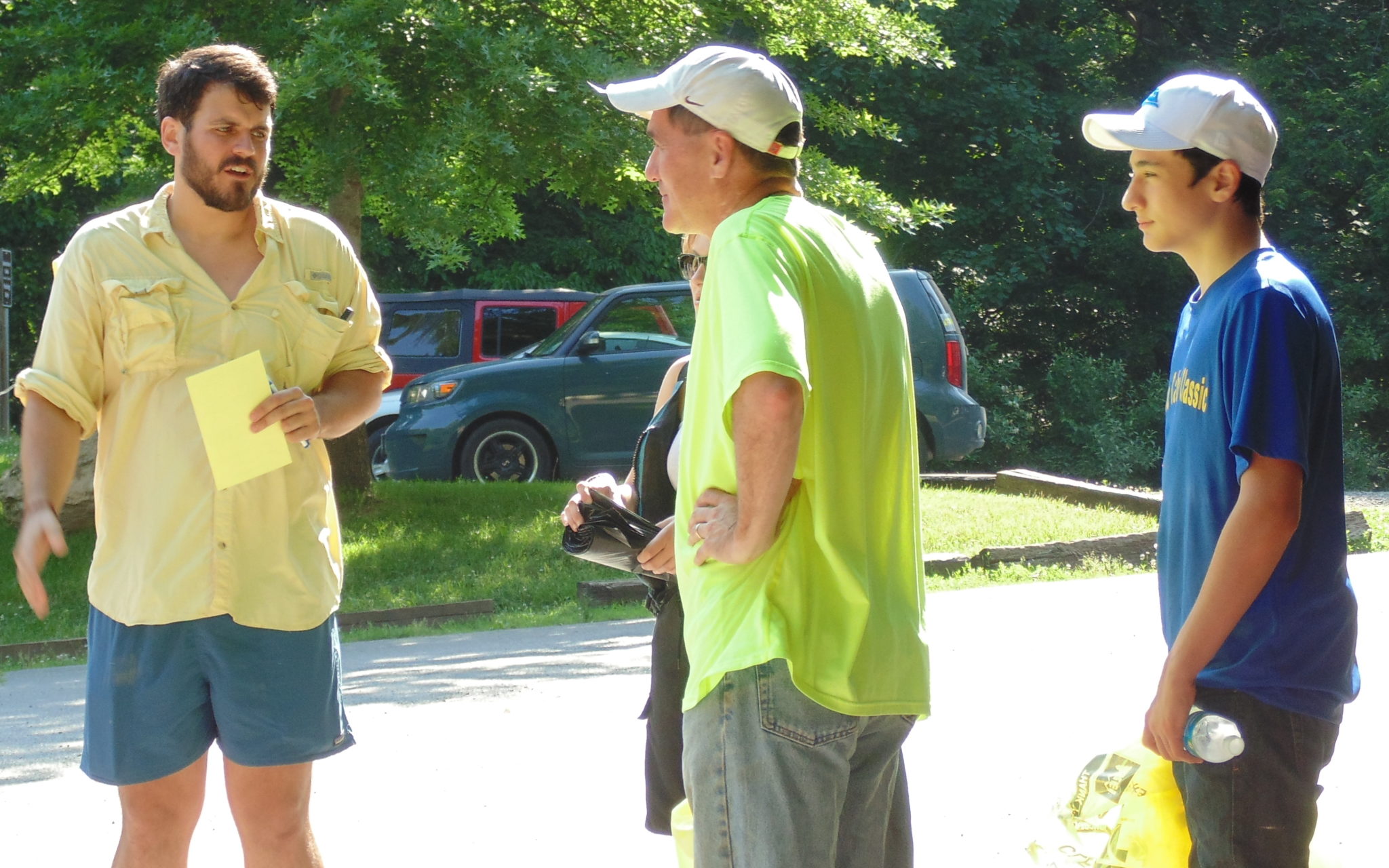
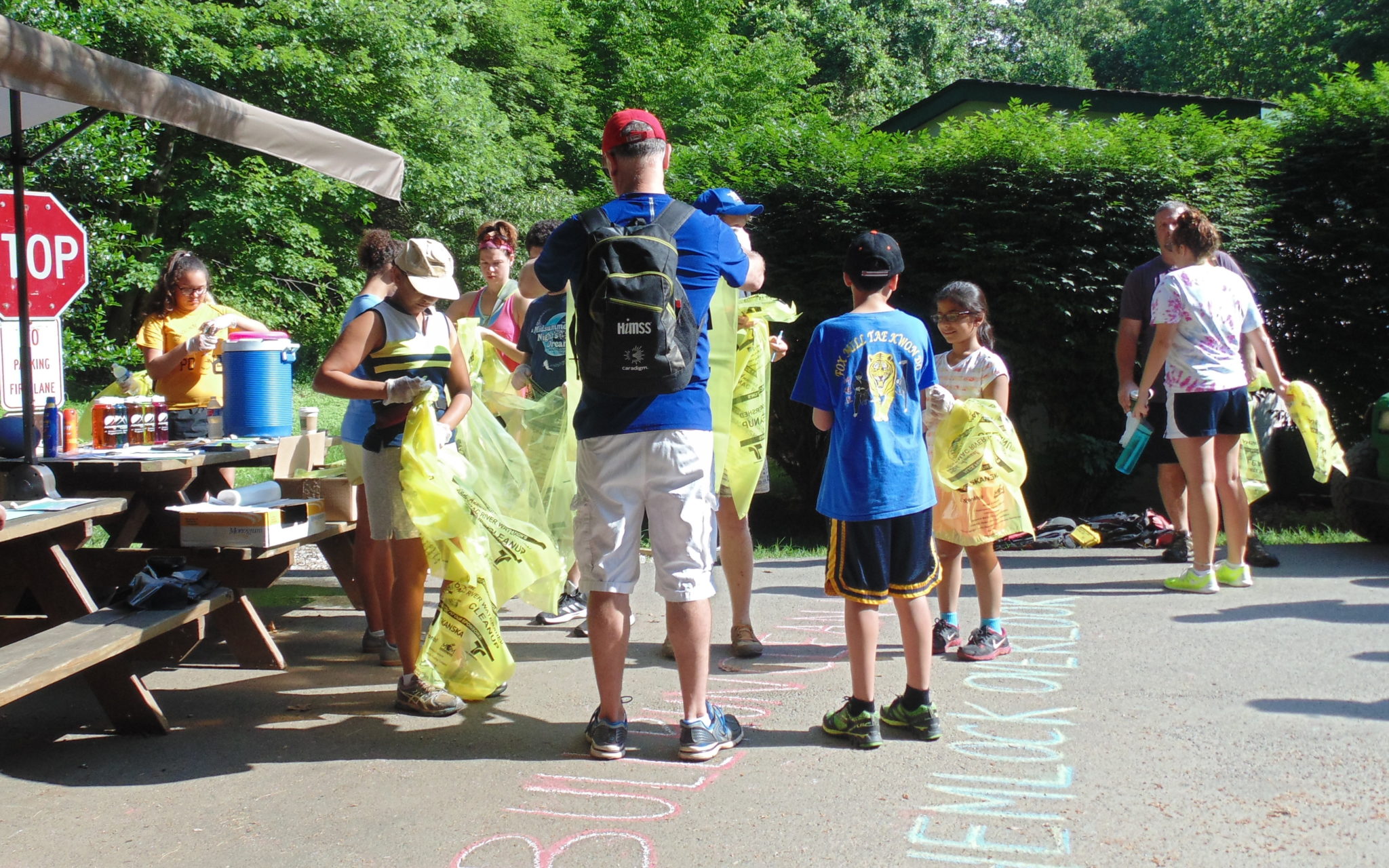
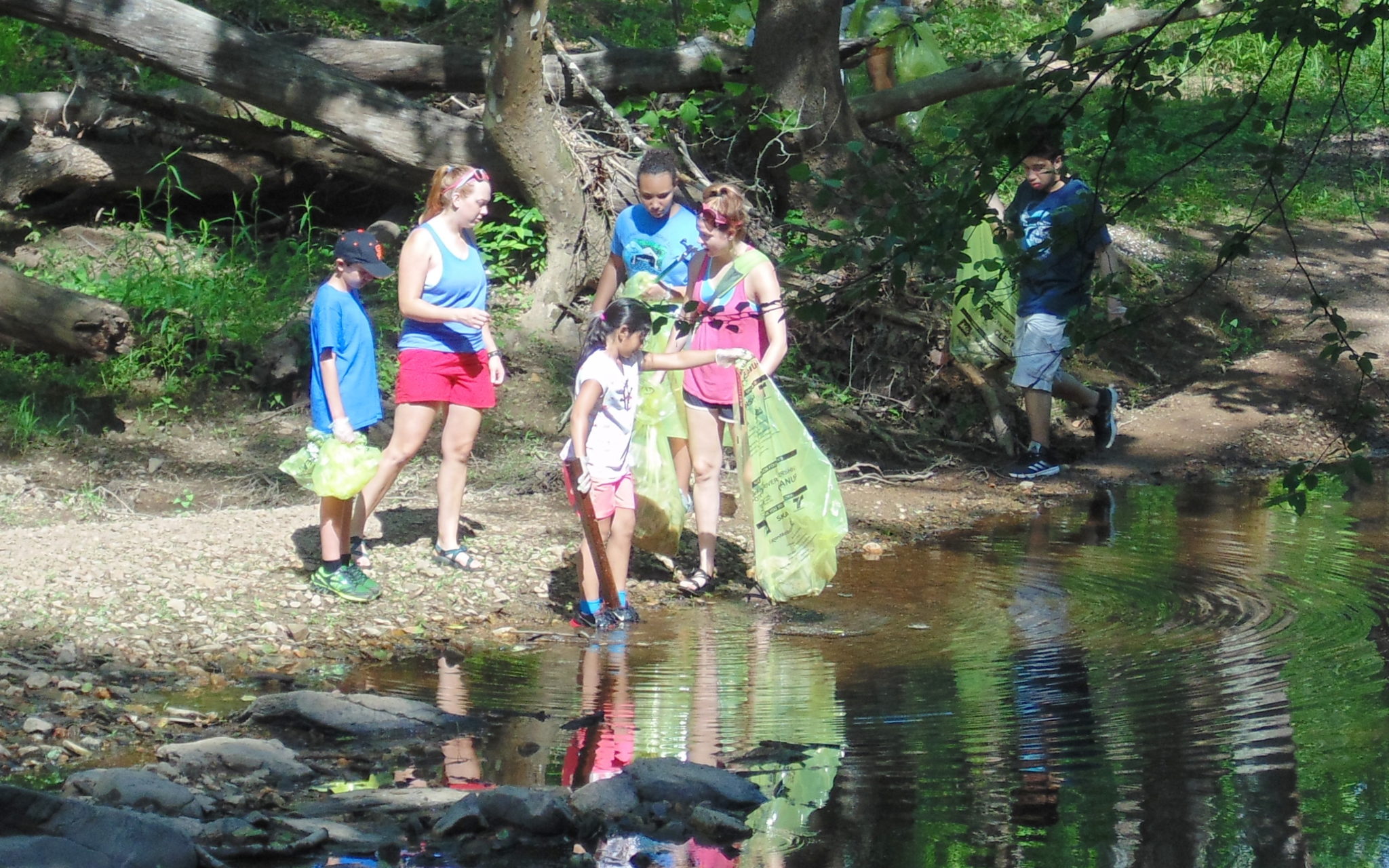
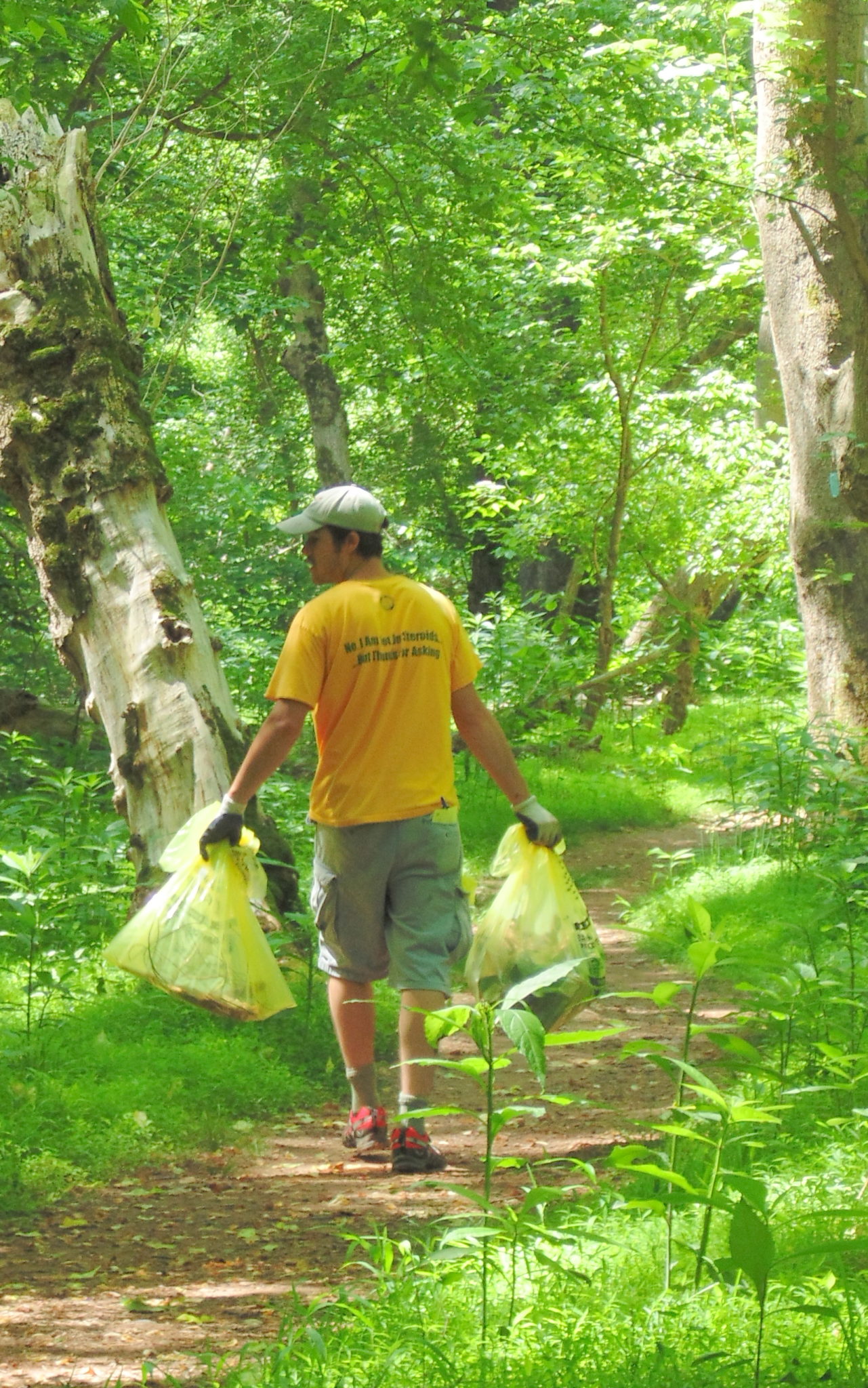
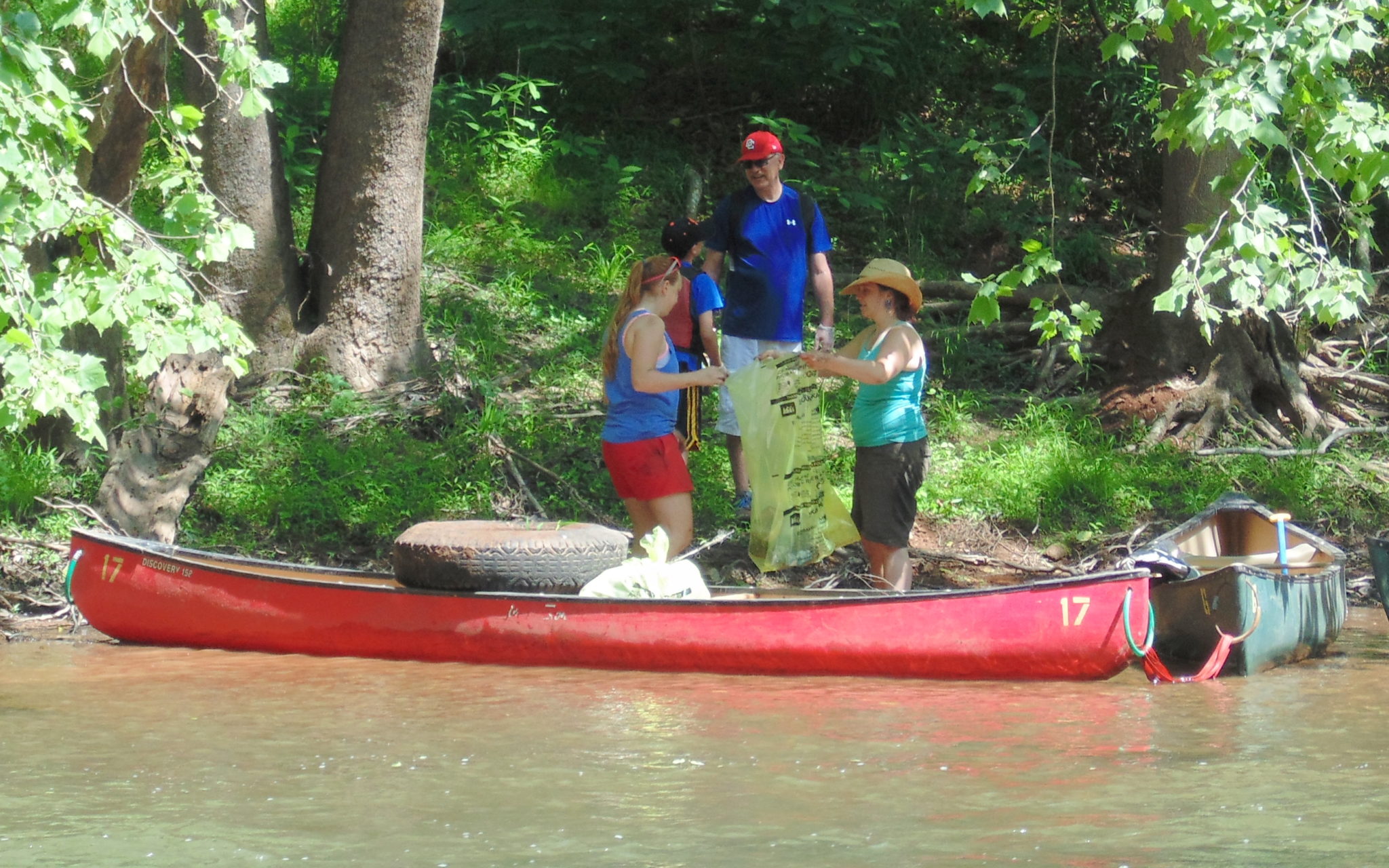
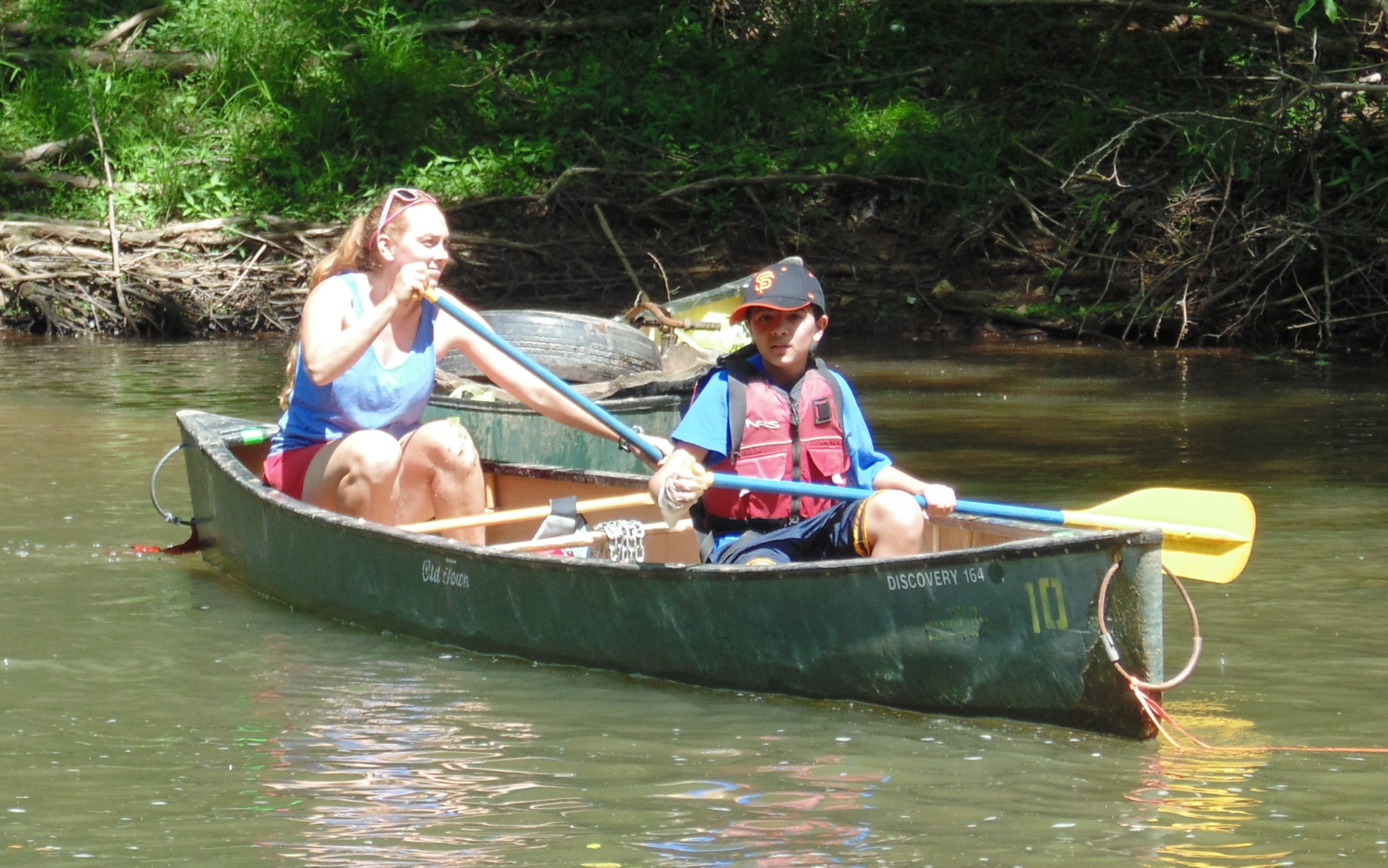
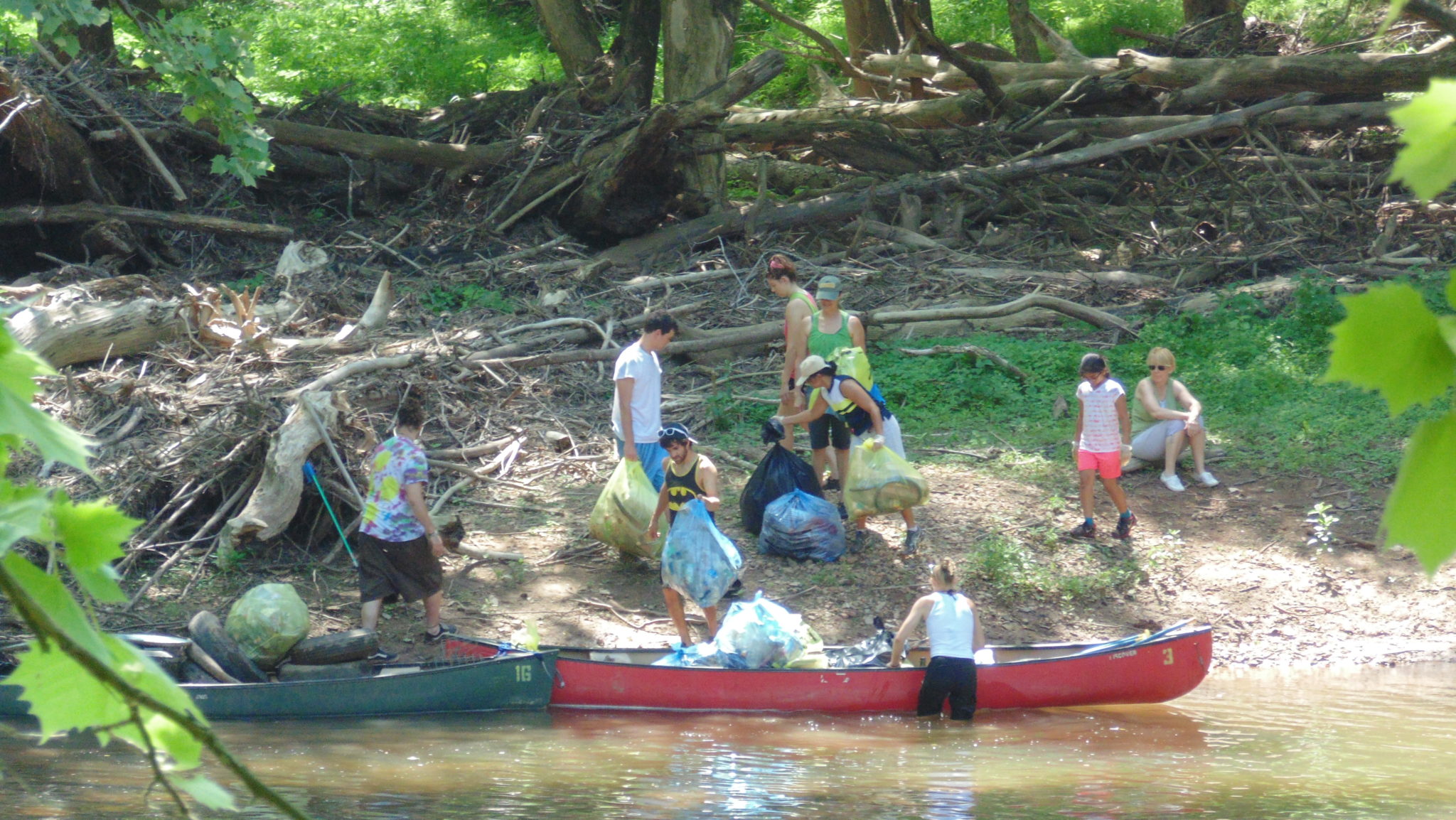
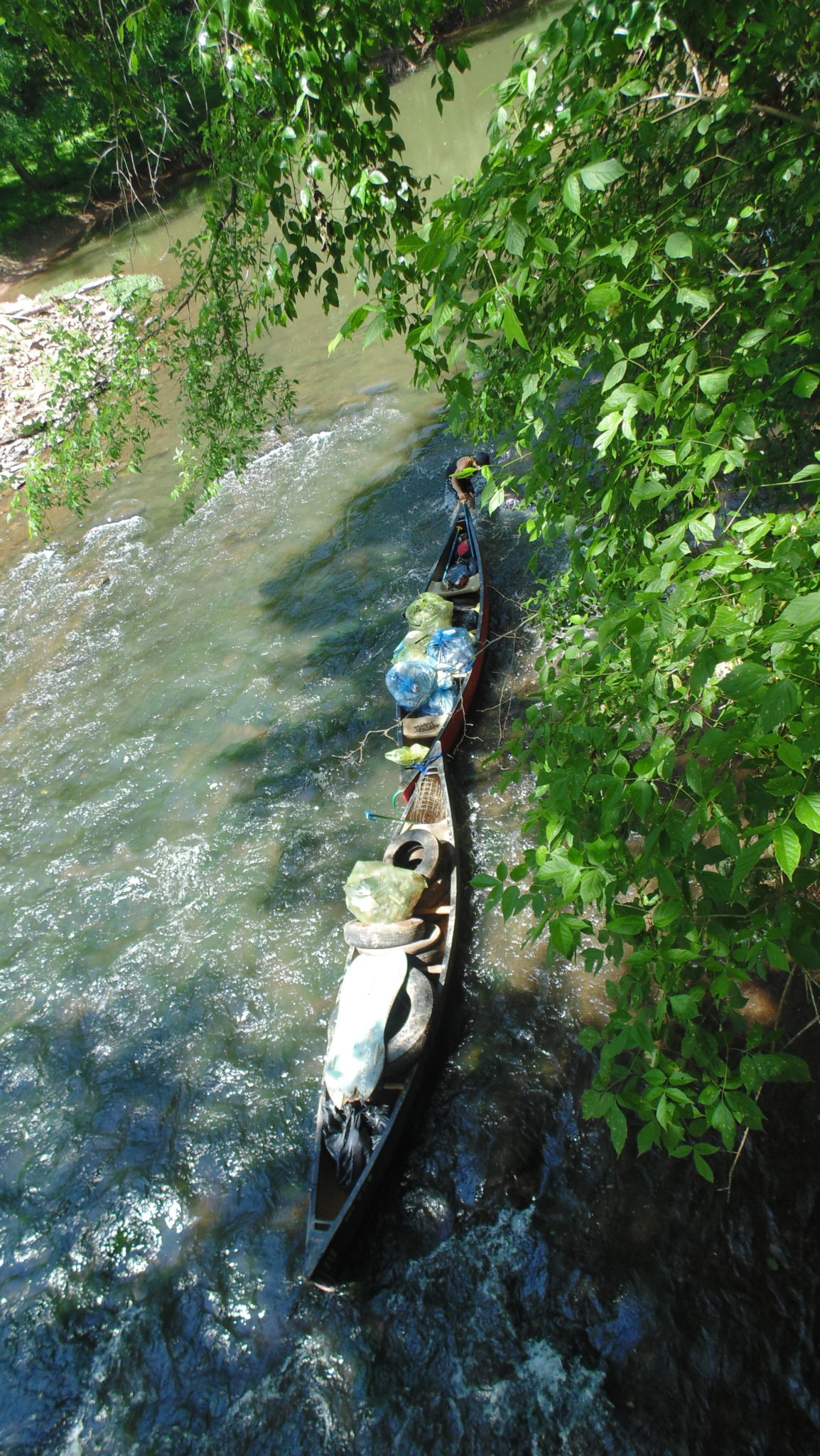
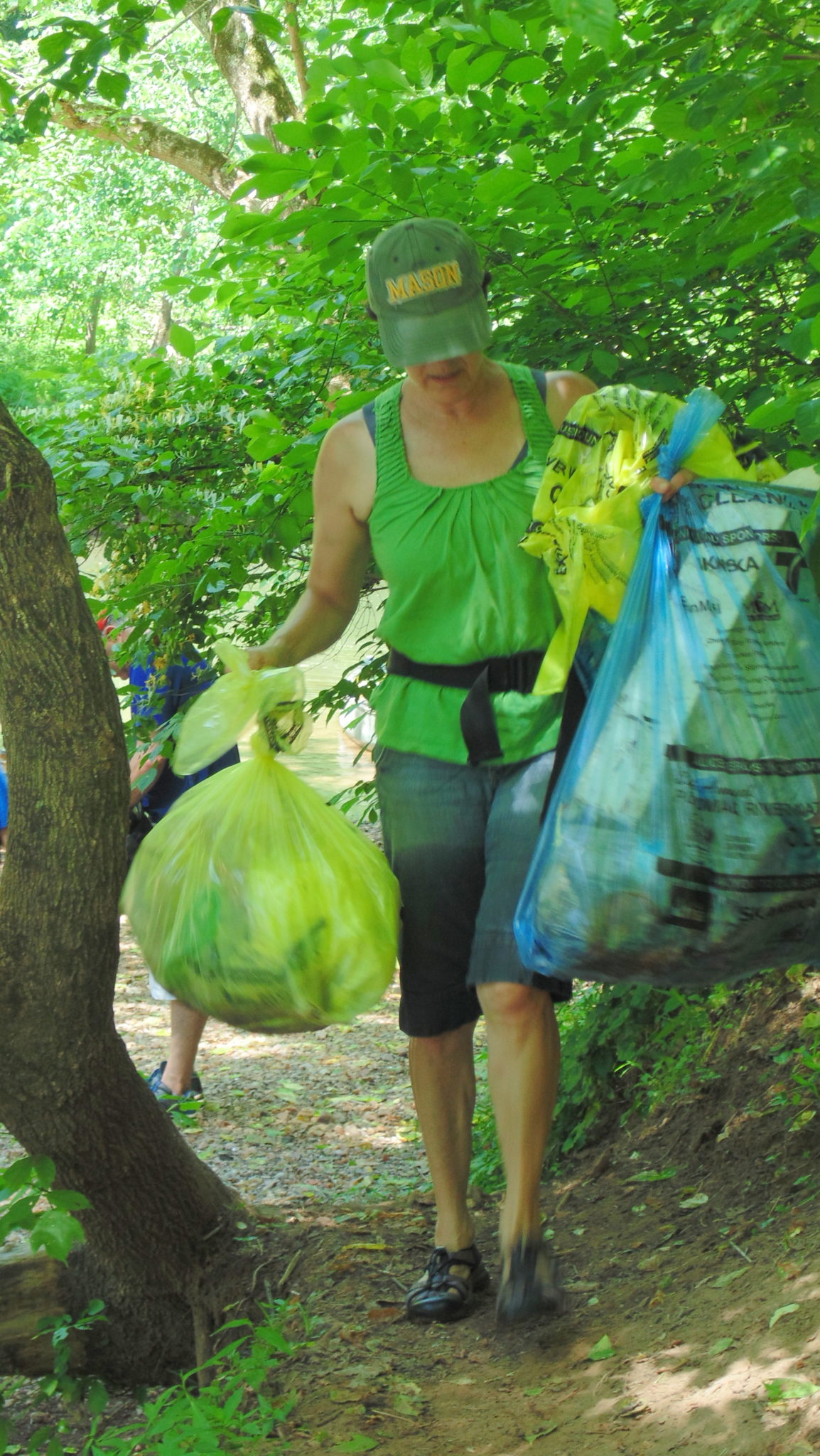
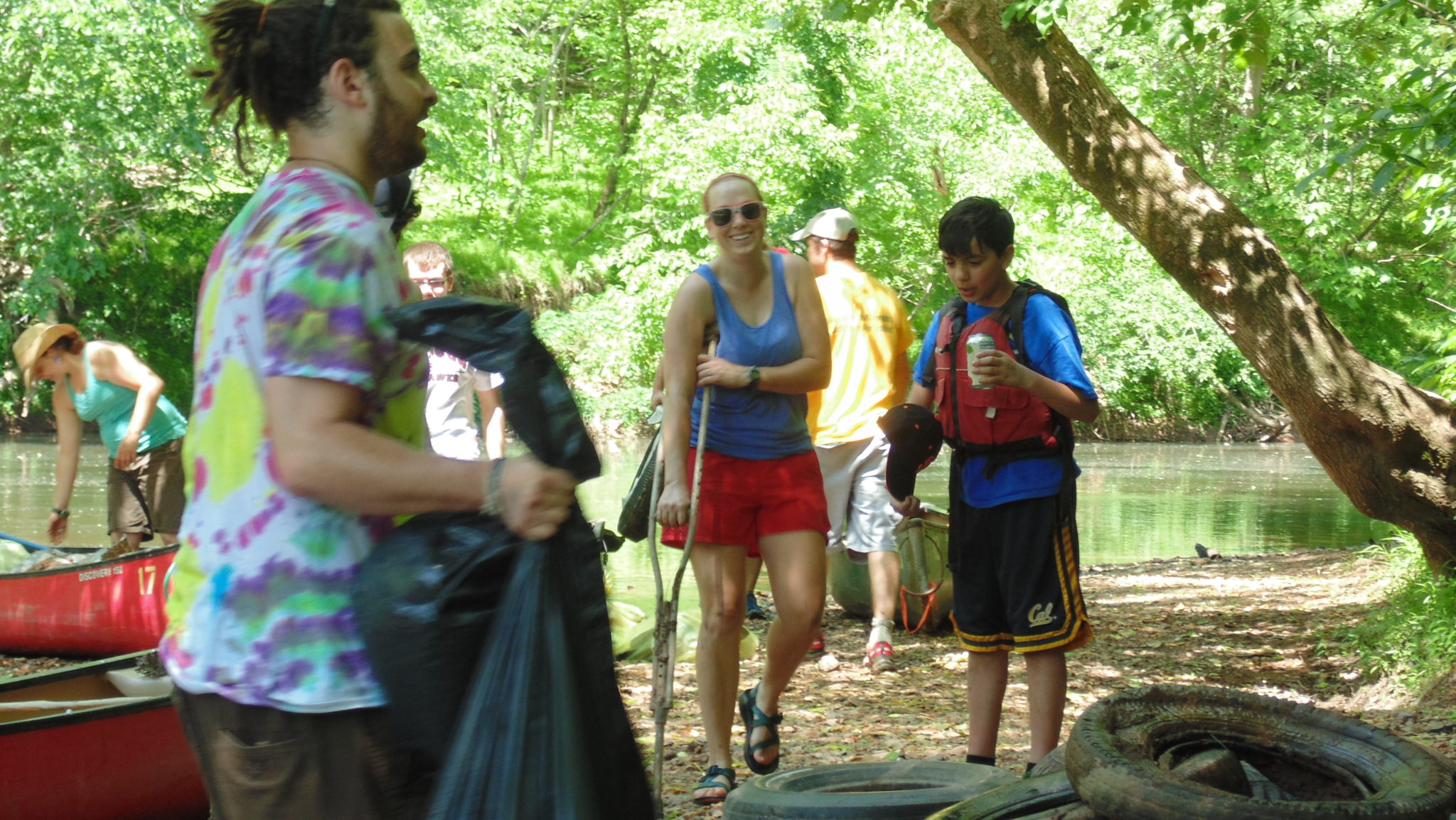
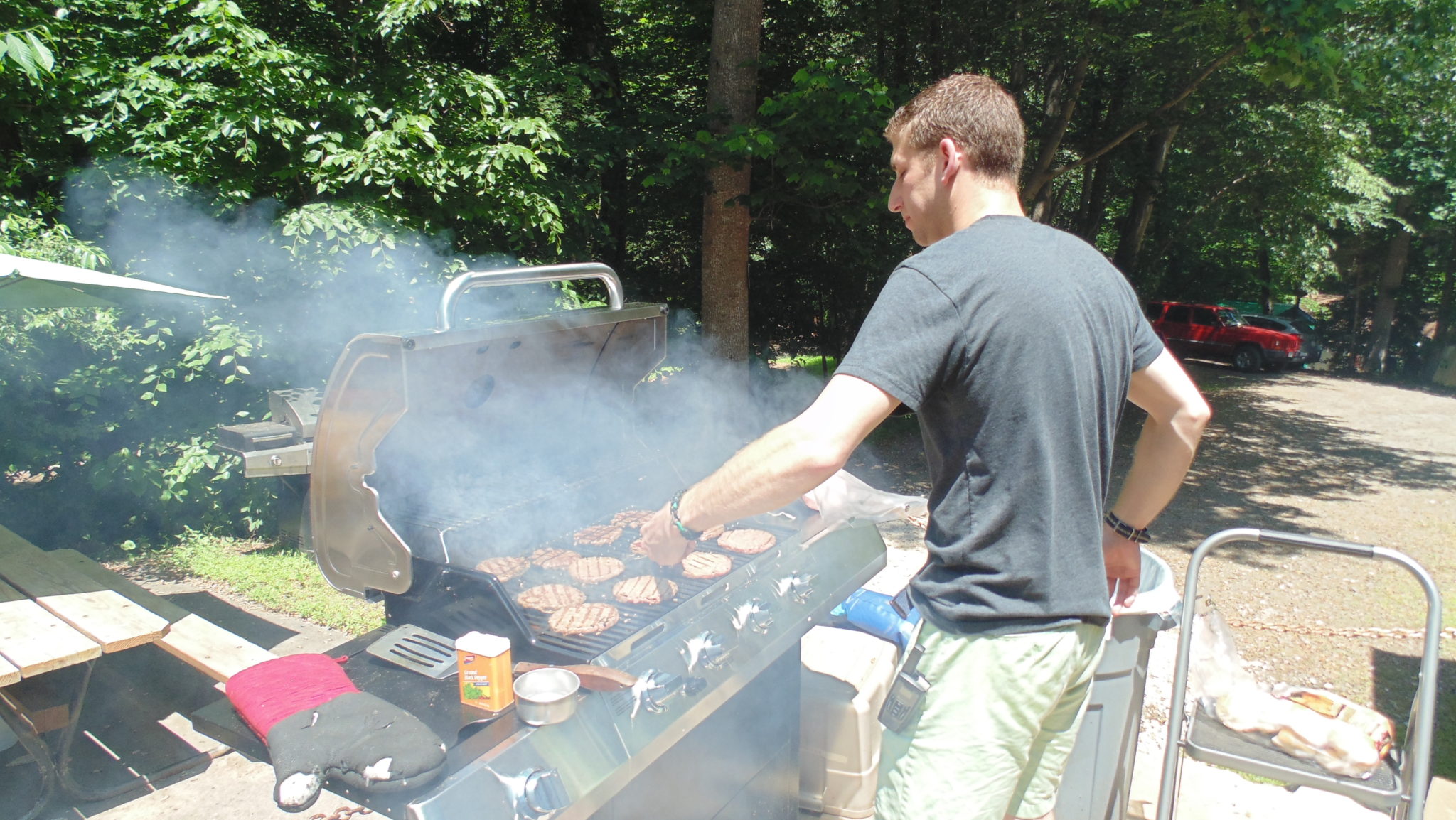
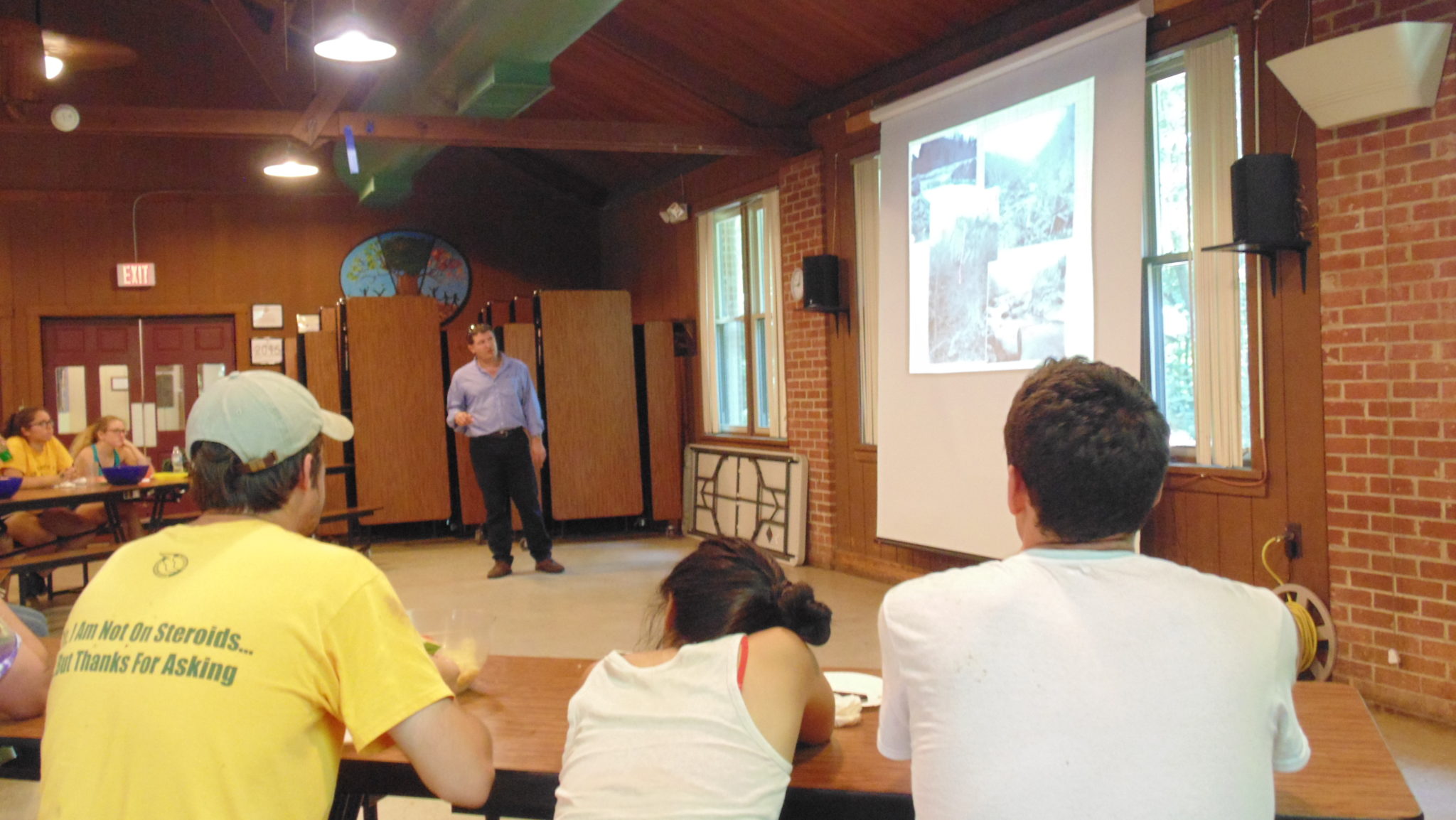
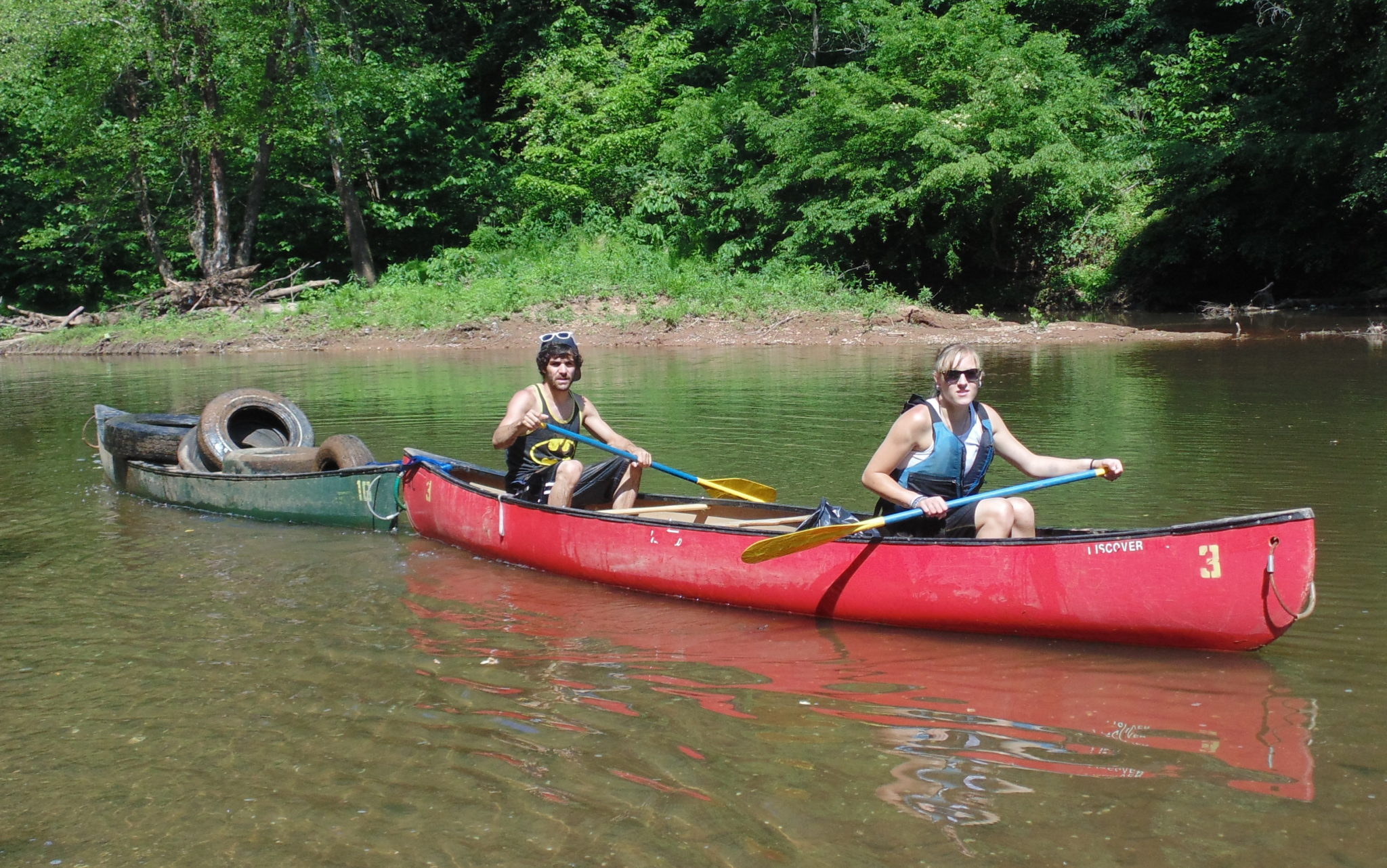
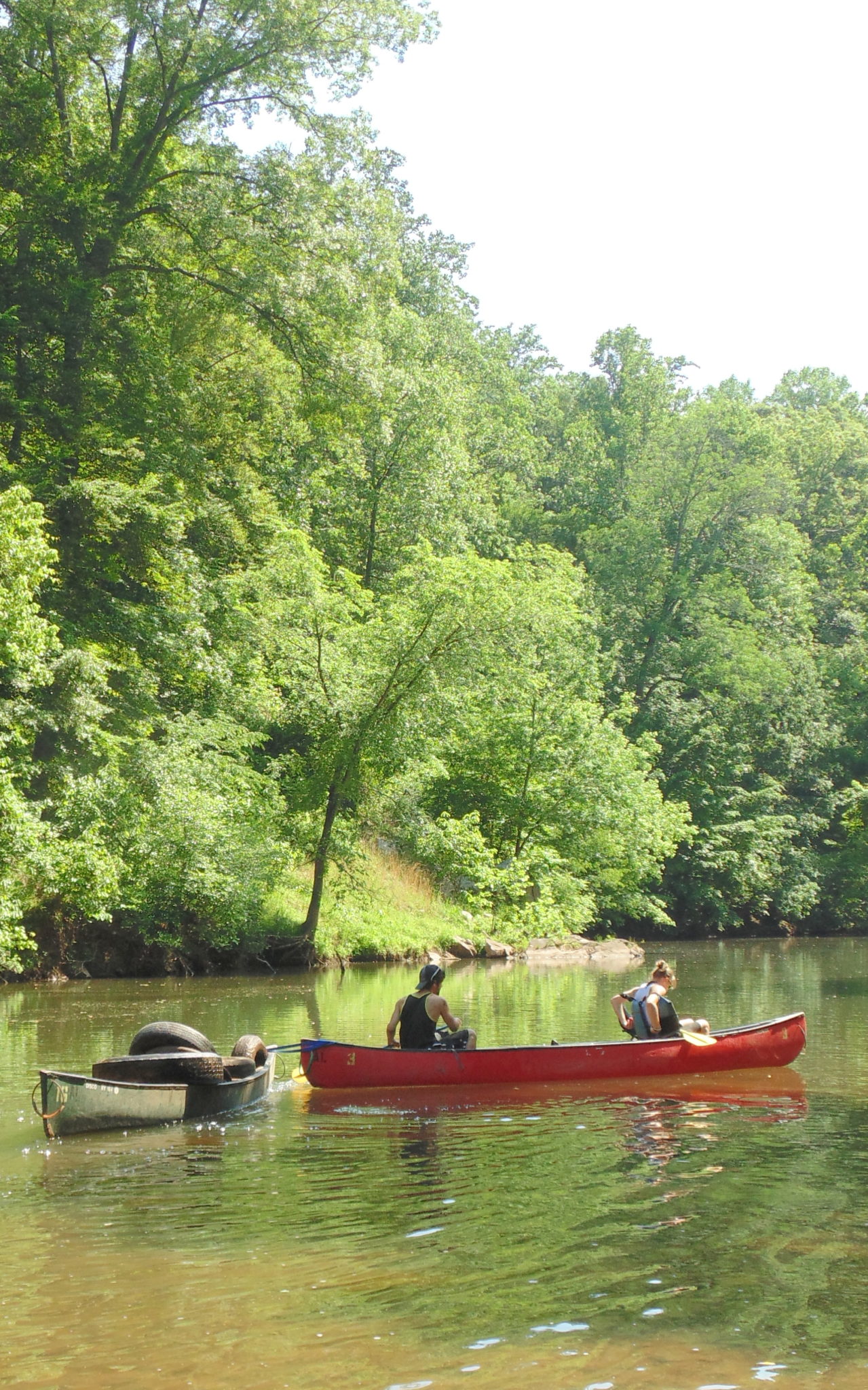
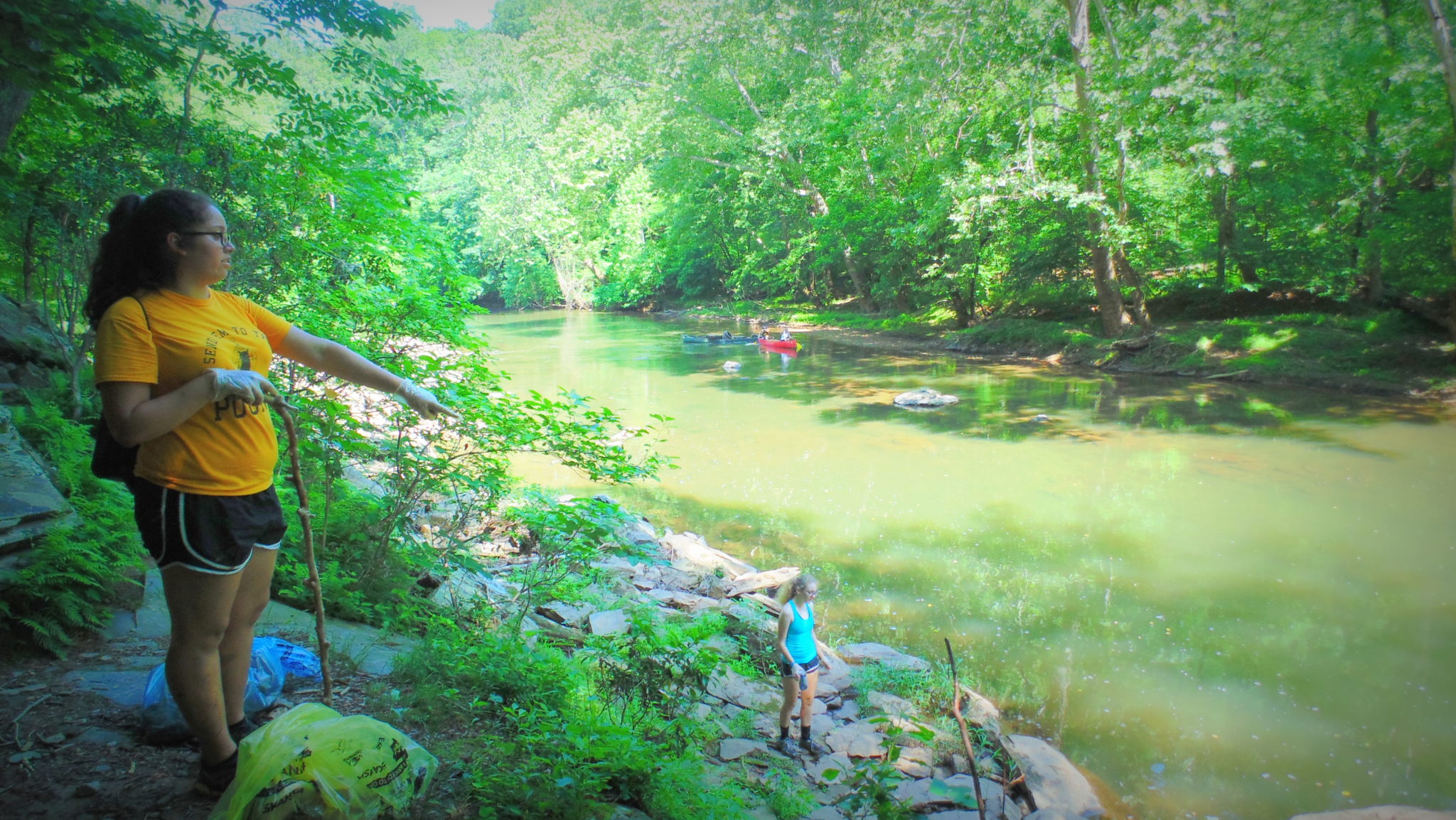
So when a few months ago two of our senior staff members approached the leadership team with an idea for a Bull Run Cleanup event we fell in love with the idea and encouraged them to run with it. Our awesome staff members Ryan and Eric planned and executed a terrific day of river cleanup on The Bull Run and partnered with the Chesapeake Bay Foundation to make it happen. They also wanted the day to be educational and brought out Earnie Porta the Former Mayor of Occoquan, to speak about the history and importance of local rivers that feed the Chesapeake Bay.

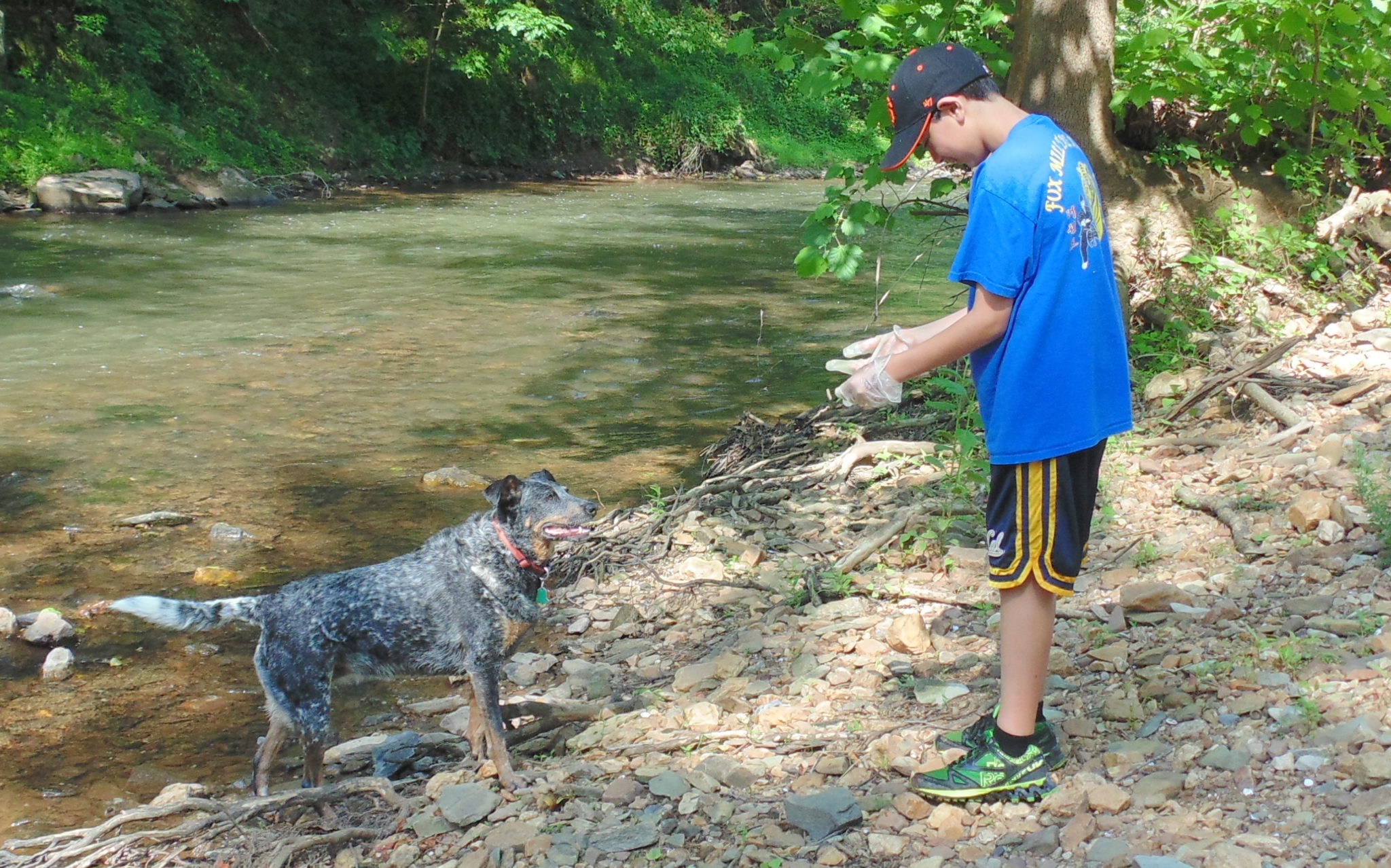
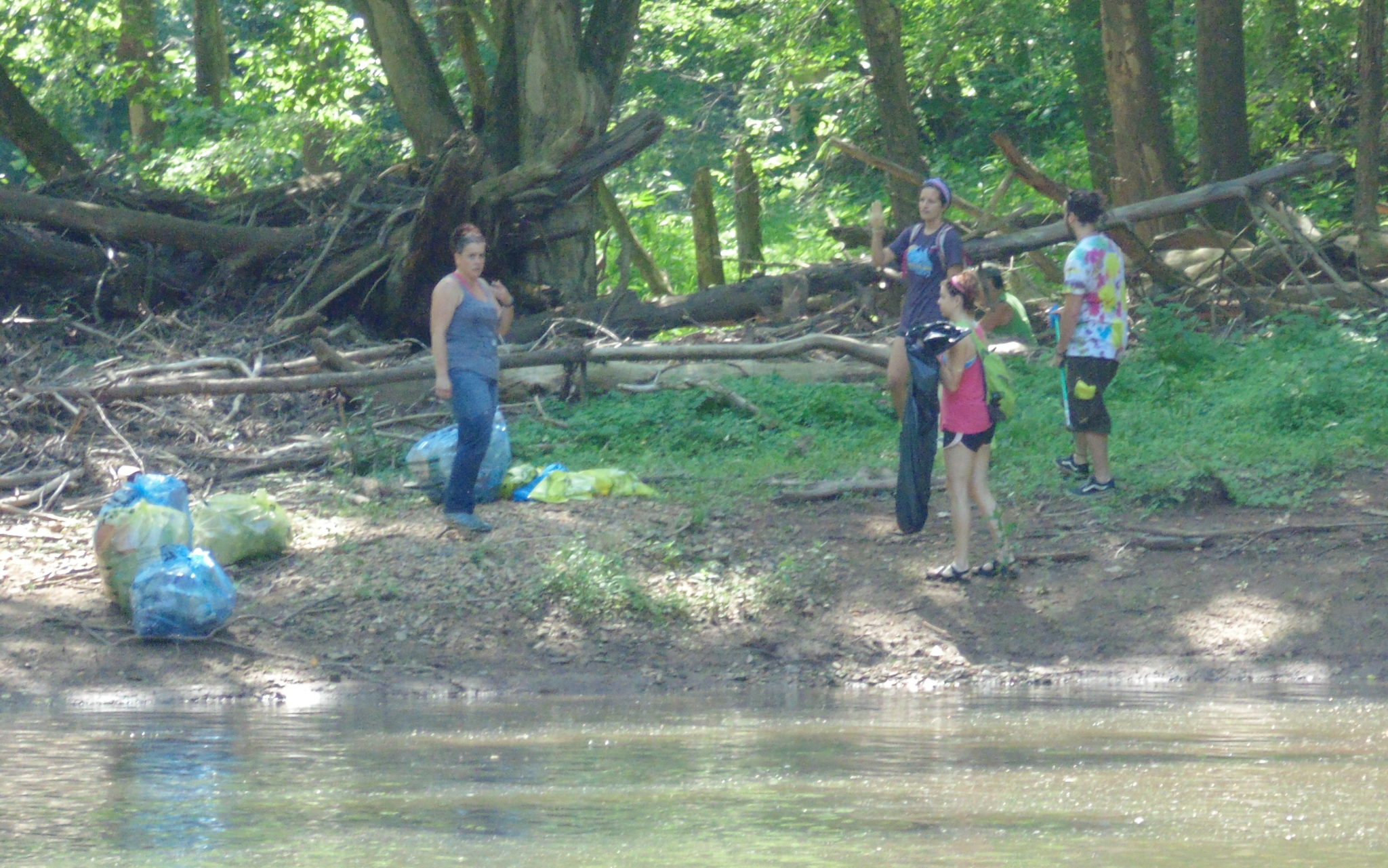
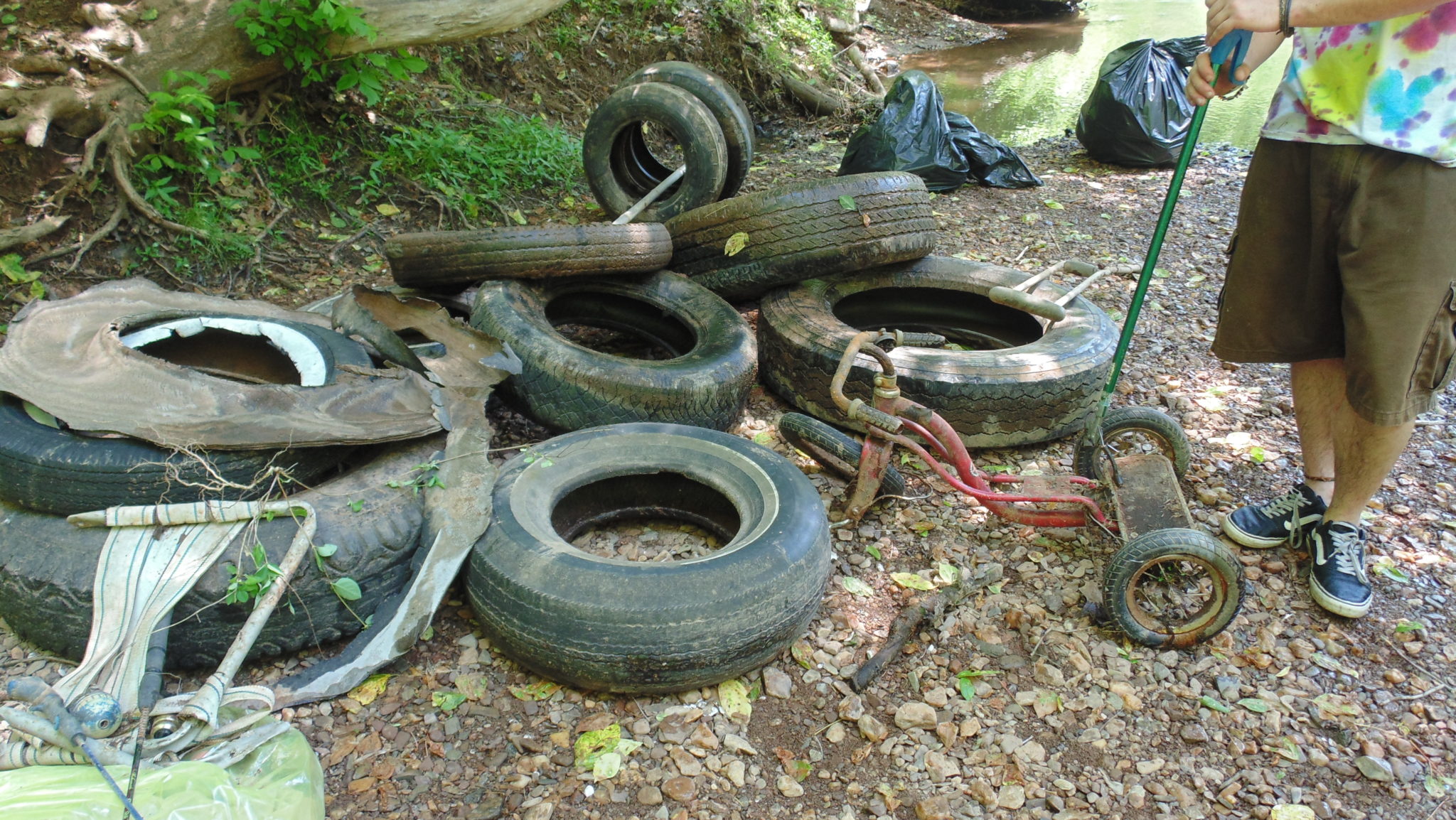
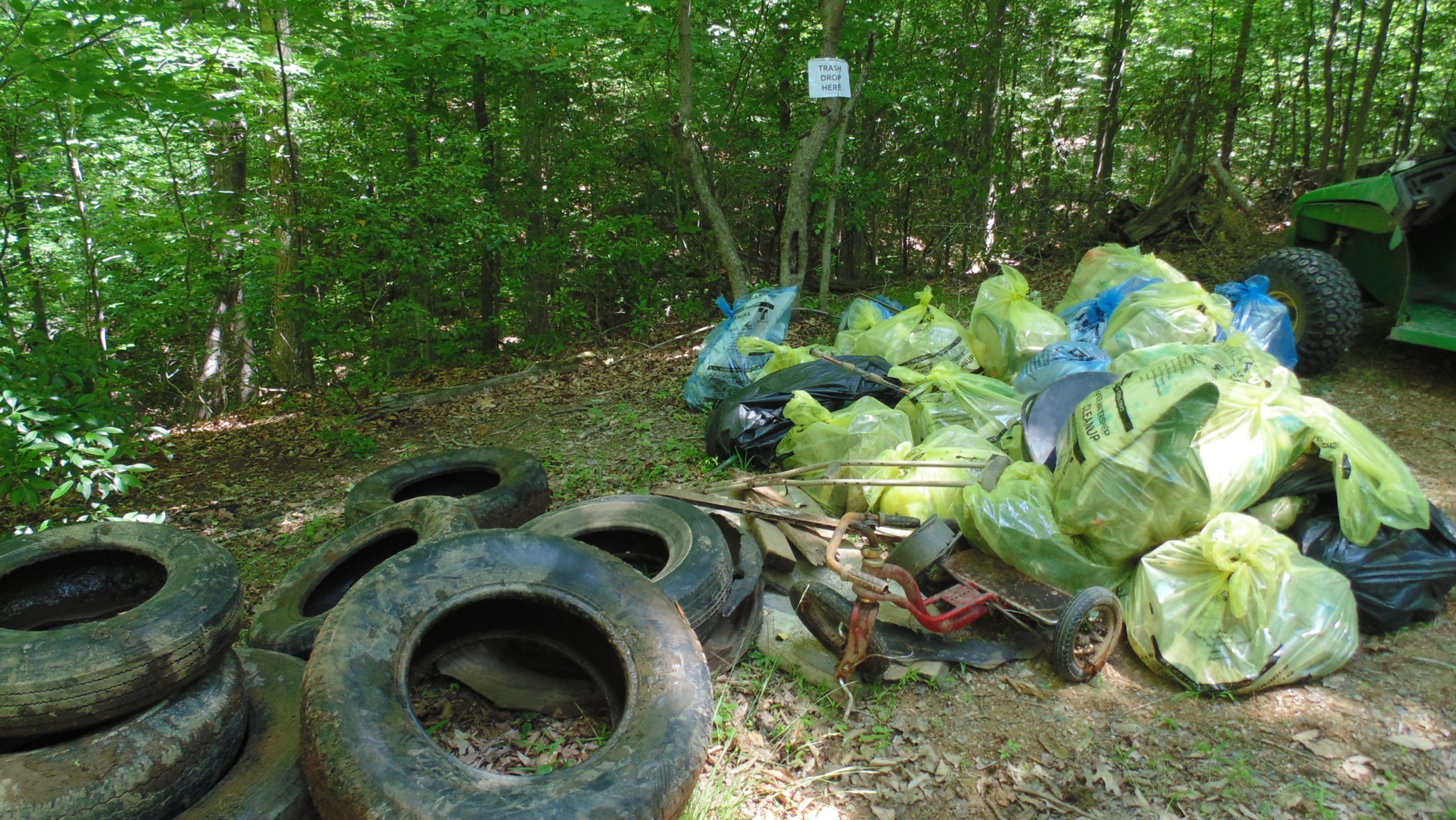
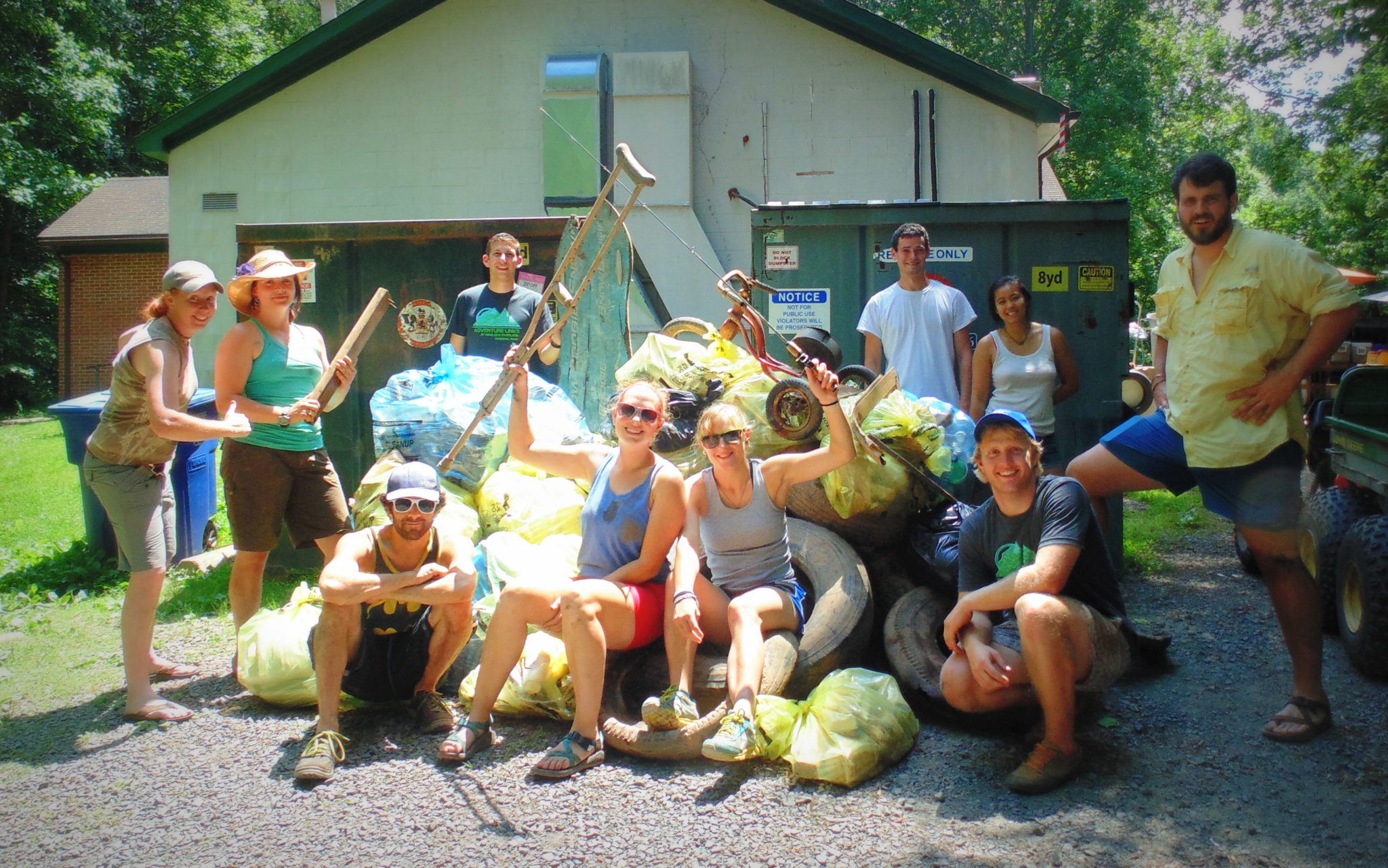
In total the volunteers last Saturday removed over 1500 pounds of trash! That included a dozen tires, countless bottles and styrofoam, a boogie-board, and a tricycle. We went back down to the river the following day, and while you wouldn’t have previously thought about all the trash along the water it was evident how much cleaner the shoreline now was.

Thank you to our “tree hugging” staff Ryan and Eric and the wonderful volunteers that came out to help keep Hemlock Overlook and Bull Run a local treasure. You definitely carried your weight last weekend.


adam-headshot-Adam Trautenberg | Marketing / IT Manager

In order to get to our Zipline participants have to traverse one of two cables between what we creatively refer to as platforms one and two. Here is what it looks like when 100 adult participants head to platform two from platform one.


DSC02161My education philosophy perpetually changes the more I learn and experience. One of my core foundations that has remained throughout my entire professional career is that every child should have the opportunity to engage in meaningful play outside. In general, this can only be achieved if you are not afraid to get a little dirty.

I once had an art teacher that prior to making her first brush stroke would rub paint all over her hands and shirt. She claimed that in the past she was cautious about getting paint on herself while working which proved to be a creative distraction. She reasoned that if she was covered in paint before she started she could devote 100% of herself to her work.  This idea has resonated with me since and I apply the same rationale to working outside.

Throughout the years I have noticed more and more youth I work with are a bit timid and apprehensive when first exposed to an outdoor classroom. I believe some of this apprehension is due to that fact that getting dirty outside is sadly becoming less acceptable in the urbanized world.

To nip it in the bud, I like to ask the groups I work with to pick up a bunch of dirt and rub in into 20140807_123922their hands. This request is usually followed by nervous giggling and darting eyes; checking to see if mom or dad is around the corner.  I always tell my students, and my adult chaperones, that today it is okay to get dirty and if they overcome the anxiety of getting a grass stain on their knee they will be able to take full advantage of the day, learn a valuable lesson or two, and maybe just maybe have a little fun while doing it.
I find that once they are comfortable with the fact that it is acceptable to get dirty, at least for the day, they truly start to relax, are more open to learning, and engage in meaningful play with one another and their surroundings. I believe kids need to be kids and we should be encouraging them to get outside and play. Parents and guardians be warned, if you send your child to Adventure Links they may just come home a little dirty, a bit tired, and a little bit more excited to interact with the natural world.

Read more about how getting dirty outdoors benefits kids

kyle halstead

-Kyle Halstead | Program Coordinator

4In addition to the amazing seasonal staff members I work with every year at Adventure Links, I also have the pleasure to work with an incredibly talented team of year-round administrative staff that often go overlooked as they work behind the scenes. Each of them is far too modest to boast about all of their accomplishments in our brief biographies or on our Facebook page, so let me take a moment to tell you just how awesome they all are.

Ashley Suntheimer is our Group Program Manager, and works with school, community, and corporate  groups to arrange their programs. For three years Ashley was an outstanding Instructor with Adventure Links, and it has truly been fascinating to see her grow from a recent college graduate to a seasoned professional. No one brings more enthusiasm and optimism to work every day than Ashley.

Adam Trautenberg was also an outstanding Instructor with Adventure Links before becoming our Marketing Director. In just a few short years, Adam has changed the entire look of Adventure Links. The website, our vehicles, all of our brochures and pamphlets look better than ever. On top of that, Adam still finds time to lead Sailing activities for our campers!

Kyle Halstead is our Program Coordinator and was also a fantastic Instructor for Adventure Links in 2012. When Kyle finished his first Instructor training and took our Instructor Skills Test, it was so flawless I used it as the answer key for all the other tests. By the end of 2012 we knew that we wanted Kyle to be a part of our year-round team because of his natural leadership, love of working with participants, and superior technical knowledge. After just one year as Program Coordinator Kyle has had an enormous impact on Adventure Links.

Danny Stevens is our Facilities and Fleet Director, and all around handy-man. When I met Danny I knew he was a jack of all trades, but I never really knew just how skilled he was until he and Kyle constructed our new paddling shed over the winter. In a matter of days, this new shed just appeared where before there was nothing. Some people will talk about a project for weeks or months, but Danny just gets the job done. Danny is a big reason why our site at Hemlock Overlook is looking better than ever.

Rachel Doody is one of the most dedicated outdoor education professionals I have ever met in my 12 years in the field, and I am so proud to be her Co-Director. After 18 years of running programs at Hemlock Overlook and over 5 years with Adventure Links, Rachel is still innovating, learning, and growing. I don’t have to ask what keeps her motivated after all this time, it is clear that her unwavering mission is to share her love for the natural environment with as many people as she possibly can.

Our owners, Anna and Austin Birch, provide the best possible situation for our team to succeed. I have always appreciated the way they provide mentoring and guidance to our team, but also allow for freedom and autonomy to make decisions and move the company forward. This entrepreneurial spirit empowers our leadership team to be creative, take chances, and make Adventure Links the best it can be.


mark-headshot-Mark Diedering | Summer Camp Director